

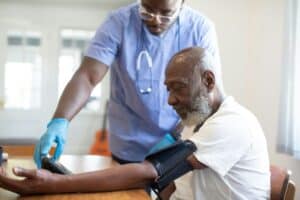
A successful healthcare visit isn’t measured only by the diagnosis or treatment plan. It’s also shaped by what happens during the conversation. Patients who understand what’s happening, why it matters, and what they need to do next are better equipped to take charge of their health. That’s why communication and patient education have become essential parts of quality care rather than nice additions.
Healthcare providers today are expected to wear many hats. Along with assessing symptoms and recommending treatments, they’re responsible for helping patients make sense of complicated medical information. That focus on education is one reason graduate-level training, including nurse practitioner programs Arkansas, emphasizes communication alongside clinical expertise. The ability to explain, listen, and build trust is just as valuable as mastering advanced medical knowledge.
Good Communication Leads to Better Health Outcomes
Patients don’t always leave an appointment remembering every detail they heard. They may be anxious, distracted, or processing unexpected news. Even routine instructions can become confusing when someone is worried about their health.
Clear communication helps close that gap. Instead of overwhelming patients with technical explanations, experienced providers focus on delivering information in a way that’s easy to understand and relevant to everyday life. They pause for questions, check for understanding, and adjust their approach based on each person’s needs.
These conversations often determine whether a patient follows a treatment plan, schedules follow-up care, or recognizes when something isn’t right. When people understand both the “what” and the “why” behind medical recommendations, they’re generally more confident in managing their health.
Patient Education Is More Than Sharing Information
Education in healthcare isn’t a one-way lecture. It’s an ongoing exchange that encourages patients to participate in decisions about their care.
That starts with listening. A provider who understands a patient’s work schedule, family responsibilities, financial concerns, or cultural beliefs can offer guidance that’s actually realistic. A treatment plan that looks perfect on paper may not work if it doesn’t fit into someone’s daily life.
Simple communication strategies can make education more effective:
- Replace medical jargon with everyday language.
- Ask patients to explain instructions in their own words.
- Break complex information into smaller, manageable steps.
- Provide written resources that reinforce key points.
- Encourage questions throughout the conversation, not just at the end.
These techniques may seem small, but they help patients leave appointments feeling informed instead of overwhelmed.
Why Nurse Practitioners Play Such an Important Role
Nurse practitioners often build long-term relationships with patients, making education a regular part of their work. Whether they’re discussing preventive screenings, reviewing lab results, or managing chronic illnesses, communication becomes part of nearly every visit.
Take diabetes care as an example. Prescribing medication is only one piece of the puzzle. Patients also need practical guidance on nutrition, physical activity, blood sugar monitoring, and recognizing symptoms that require medical attention. Those conversations evolve over time as health goals change and new challenges arise.
The same applies to conditions like high blood pressure, asthma, heart disease, and many other chronic illnesses. Successful management depends on patients understanding their role in the process. Providers who can explain complex concepts without making patients feel intimidated often build stronger partnerships and improve long-term outcomes.
Health Literacy Should Never Be Overlooked
Health literacy affects far more people than many realize. Reading prescription labels, understanding discharge instructions, or navigating insurance paperwork can be challenging, even for individuals with strong general reading skills.
Rather than assuming patients understand every recommendation, effective healthcare professionals verify comprehension throughout the visit. They invite questions, clarify confusing information, and avoid unnecessary technical language whenever possible.
Digital healthcare has created additional opportunities for education through telehealth appointments, patient portals, and online resources. These tools make information more accessible, but they don’t replace meaningful conversations. Technology works best when it’s paired with providers who can personalize explanations and address concerns in real time.
Trust Turns Education Into Action
The strongest patient education happens when trust already exists. People are more likely to discuss symptoms honestly, admit when they’re struggling to follow a treatment plan, and ask questions they might otherwise keep to themselves.
Building that trust doesn’t require lengthy appointments. It comes from listening without interrupting, respecting patients’ concerns, and communicating with empathy instead of assumptions. Those moments create an environment where patients feel comfortable participating in their own care.
As healthcare continues to evolve, new treatments and technologies will keep changing how medicine is delivered. One thing, however, remains constant: people need clear, compassionate communication to make informed decisions about their health. Providers who combine clinical expertise with strong communication skills don’t simply deliver care—they help patients understand it, apply it, and feel more confident every step of the way.
