

Key Takeaways
- Trauma affects both emotional and physical health, often with lasting effects.
- Symptoms may include anxiety, detachment, mood changes, and physical discomfort.
- Emotional pain plays a major role in conditions like PTSD.
- Early recognition and support are crucial, especially in childhood trauma.
- The mind-body connection highlights the need for holistic treatment approaches.
- Advances in research, including the development of biological markers, may improve diagnosis and care.
- Effective healing often involves a combination of therapy, lifestyle strategies, and support systems.
Trauma can significantly alter an individual’s emotional landscape, often in ways that linger long after the traumatic event itself. Whether the catalyst was a singular distressing incident or a series of adverse experiences, emotional well-being may suffer, sometimes silently and deeply. Working with a qualified trauma therapist Chicago can be a critical step toward understanding and overcoming these emotional hurdles. The invisible wounds left by trauma often manifest as changes in mood, behavior, and physical health. Awareness of how trauma interacts with emotional health provides a foundation for effective coping mechanisms and professional interventions, ultimately helping both individuals and communities move forward.
Understanding Trauma and Its Impact
Trauma is an emotional reaction to distressing events such as accidents, violence, natural disasters, or profound loss. Common immediate responses include shock, confusion, and disbelief. Over time, more enduring symptoms, like anxiety, irritability, detachment, or depression, can emerge. According to the National Institute of Mental Health, individuals who experience detachment after a traumatic event may be at greater risk for long-term mental health challenges, making early recognition and support essential. Recognizing trauma’s many emotional faces is vital because individuals process distress differently. Some might display visible symptoms, while others struggle internally with feelings they do not fully understand or feel comfortable expressing.
The Mind-Body Connection
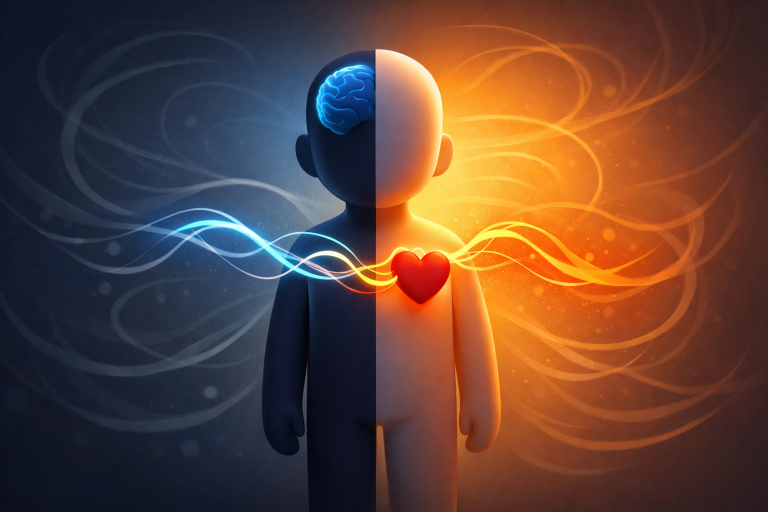
Trauma can leave fingerprints on both the mind and body. Physical symptoms such as unexplained aches, gastrointestinal issues, chronic fatigue, or tension headaches frequently accompany emotional distress. Researchers suggest this mind-body interplay means that treating trauma must involve more than addressing the mind alone; physical health and emotional well-being are deeply intertwined. Holistic approaches like mindfulness, movement therapy, and integrative medicine are gaining attention in trauma care.
Understanding this connection helps to de-stigmatize the physical consequences of trauma. It also encourages seeking support not only for emotional symptoms but also for the physical side effects that may emerge.
Emotional Pain Versus Fear in PTSD
Contrary to past beliefs that post-traumatic stress disorder (PTSD) is driven mainly by fear, current research indicates that layers of complex emotions such as shame, sadness, and guilt often weigh more heavily on trauma survivors. This realization shifts the therapeutic focus from fear reduction to helping individuals resolve deep-seated emotional pain and develop healthier coping strategies. Treatments that honor these emotional complexities often yield better long-term results.
Biological Markers and Trauma
With scientific advancements, researchers have begun to identify biological markers in the blood that can signal PTSD and related trauma responses. These biomarkers could lead to faster diagnoses and more individualized treatment plans tailored to each person’s unique biology. This emerging research brings hope for earlier intervention and more targeted medical support for trauma survivors.
Childhood Trauma and Long-Term Health Risks
Experiencing trauma in childhood increases the risk for a range of severe health issues in adulthood, including heart disease, autoimmune disorders, and mental health challenges. The nature and timing of trauma, as well as differences between sexes, can influence which risks are most pronounced. Early identification and intervention are especially critical for children who have experienced trauma to limit its lifelong effects.
Rapid Emotional Transitions in PTSD
Individuals with PTSD often struggle with rapid shifts between extreme numbness and hyperactive states. These transitions can leave them feeling unpredictably overwhelmed or completely disconnected from their emotions. Therapeutic modalities that address emotional regulation, grounding techniques, and gradual exposure to trauma memories have been shown to help manage these swings more effectively.
Approaches to Healing
Treating trauma requires tailored approaches, including therapies like cognitive-behavioral therapy, medication, and peer support. New options such as psychedelic-assisted therapy and expressive activities like art, music, and drama offer additional possibilities. Trauma-sensitive yoga and somatic therapies help individuals reconnect with their bodies, while community programs and group therapy foster a sense of belonging and reduce isolation. Educating survivors about trauma physiology improves their understanding of responses, and involving families supports healing. These combined methods strengthen trauma recovery and build stronger community support.
Conclusion
The effects of trauma on emotional health reach deep and touch many aspects of life, from how we think to how we feel in our own bodies. By recognizing and addressing both emotional and physical symptoms through informed therapeutic approaches, healing becomes possible. With continued research and compassionate support, individuals and communities can find hope after trauma and build pathways to resilience.
