

Key Takeaways
- MSN and accelerated psychiatric nurse practitioner programs prepare nurses for advanced roles in mental health care.
- Graduates can work as Psychiatric-Mental Health Nurse Practitioners (PMHNPs), providing assessment, treatment, and therapy for patients with psychiatric conditions.
- Career options extend to clinical leadership, nurse education, forensic nursing, community mental health, telepsychiatry, and policy advocacy.
- These programs equip nurses with advanced clinical, leadership, and advocacy skills to improve patient outcomes and expand access to care.
- Graduates play a vital role in reducing stigma, promoting mental health awareness, and shaping healthcare systems.
Introduction
Pursuing a Master of Science in Nursing (MSN) with a specialization in psychiatric-mental health equips nurses with the clinical, educational, and leadership skills essential to support individuals dealing with mental health conditions. This advanced degree not only deepens nurses’ expertise but also opens the doorway to diverse roles in a variety of healthcare settings. For those seeking a faster route to specialization, accelerated psychiatric nurse practitioner programs enable them to enter this rewarding career field in less time.
Demand for highly trained mental health professionals continues to climb, reflecting broader societal recognition of the importance of accessible, compassionate mental health care. With an MSN in psychiatric-mental health, nurses are well-positioned to serve as agents of change in both clinical and community settings.
Psychiatric-Mental Health Nurse Practitioner (PMHNP)
The role of a Psychiatric-Mental Health Nurse Practitioner (PMHNP) has become especially prominent. PMHNPs are advanced practice registered nurses who diagnose and treat individuals with psychiatric and behavioral health disorders. Their responsibilities include conducting assessments, developing treatment plans, prescribing medications, and offering psychotherapy. They often practice independently or as part of interdisciplinary teams in hospitals, private clinics, and community health centers. As mental health awareness grows, so does the need for PMHNPs who can bridge the gap between primary care and specialized psychiatric support. Learn more about the responsibilities and impact of PMHNPs from this comprehensive resource from the American Psychiatric Association.
Clinical Leadership Positions
Options for MSN graduates at St. Thomas University extend well beyond direct patient care. Many use their advanced education to move into clinical leadership roles, such as Clinical Nurse Leader or Nurse Manager. These leaders coordinate teams, develop evidence-based treatment protocols, and oversee care delivery to ensure a high standard of support for mental health patients. In such roles, MSN-prepared nurses influence staffing, advocate for resource allocation, and drive improvements in quality and safety, shaping the future of mental healthcare delivery in their organizations.
Nurse Educator
Drawing on their advanced clinical knowledge, MSN graduates can make a lasting impact as Nurse Educators. Nurse Educators work in colleges, universities, and teaching hospitals, where they prepare new nurses for practice and serve as role models in the field. They develop curricula, teach courses, and mentor students, filling a critical need as the global shortage of qualified nursing instructors grows. Their role is vital in advancing best practices and ensuring the next generation of psychiatric-mental health nurses are well prepared to tackle the evolving challenges of mental health care.
Forensic Nursing
Forensic nursing represents a unique path available to those with a psychiatric-mental health MSN. Forensic nurses provide care to victims and perpetrators of trauma, abuse, and violence, often bridging the gap between healthcare and the criminal justice system. In addition to offering compassionate medical support, forensic nurses collect evidence, document injuries, and may serve as expert witnesses in legal proceedings. Master’s-prepared forensic nurses require a keen understanding of medical and legal frameworks, as well as excellent communication and advocacy skills. For more information on how forensic nurses operate at the crossroads of medicine and law, visit the American Nurses Association.
Community Mental Health Specialist
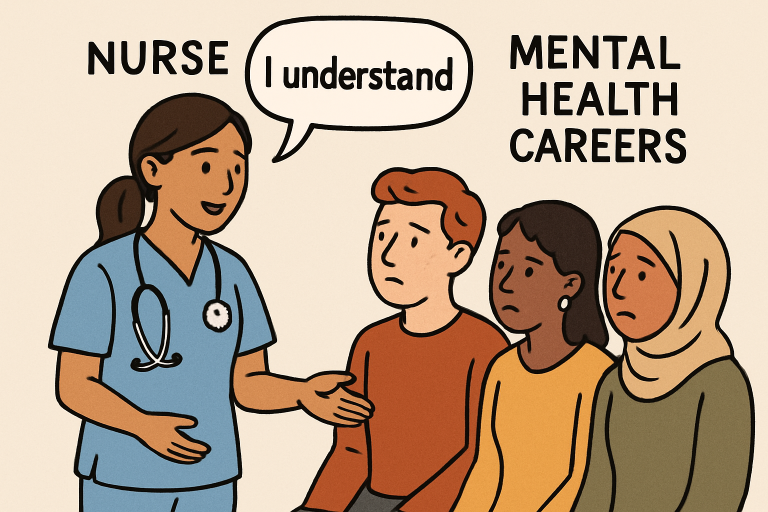
Many MSN-prepared nurses take on the role of Community Mental Health Specialist, focusing on public outreach, education, and direct services to underserved populations. These professionals often work in schools, non-profit organizations, municipal health agencies, or community centers. Their day-to-day responsibilities include conducting educational workshops, providing crisis counseling, and helping individuals and families connect with essential support resources. Community mental health specialists strive to reduce stigma and promote early intervention in mental health, thereby fostering healthier, more resilient communities.
Telepsychiatry Services
The evolution of telehealth technologies has dramatically expanded care delivery options for psychiatric professionals. Telepsychiatry services allow MSN graduates to provide remote assessments, counseling, and medication management for individuals in rural or underserved areas. This approach not only increases access to care but also introduces significant flexibility for practitioners. Telepsychiatry is increasingly adopted in private practices, community health agencies, and large healthcare systems, positioning MSN-prepared psychiatric nurses at the forefront of modern, patient-centered mental health care. In-depth insight into telepsychiatry’s growth can be found in this NIH article.
Policy and Advocacy
Nurses with a master’s degree in psychiatric-mental health can make a difference beyond clinical settings through policy and advocacy roles. In these positions, MSN-prepared professionals work with governmental agencies, advocacy organizations, or professional associations to influence health care policy, draft mental health legislation, secure funding, and promote better access to essential services. By engaging at a systemic level, these nurses help initiate changes that benefit entire populations and protect the rights of those living with mental illness.
Final Thoughts
Earning an MSN with a focus on psychiatric-mental health opens multiple fulfilling and impactful career paths. Whether providing direct care as a PMHNP, guiding the next generation as a Nurse Educator, supporting survivors in forensic settings, coordinating community outreach, delivering remote services through telepsychiatry, or shaping public policy, MSN-prepared nurses play a vital role in advancing mental health services, breaking down stigmas, and improving patient outcomes.
