

Key Takeaways
- Sport-specific training enhances tennis performance by improving agility, strength, and endurance.
- Incorporating exercises that mimic on-court movements can reduce injury risk and boost overall fitness.
- Tailored training programs should address individual needs and focus on areas like core stability and neuromuscular coordination.
Introduction
Tennis is a fast-paced sport that requires more than just technical skill. Players must develop agility, power, and high levels of endurance to compete at their best. Traditional training routines may not fully address these demands, which is why many athletes turn to tennis specific training to optimize their fitness and skills. By replicating on-court movements during workouts, players prepare their bodies for the unique challenges and rigorous demands of matches. Such specialized training not only sharpens physical abilities but also supports injury prevention through targeted exercises. It bridges the gap between general conditioning and the functional needs of tennis, helping athletes reach new levels of performance. To truly benefit, players should ensure their training sessions incorporate elements tailored to the sport’s frequent directional changes, explosive sprints, and powerful strokes.
Enhancing Agility and Footwork
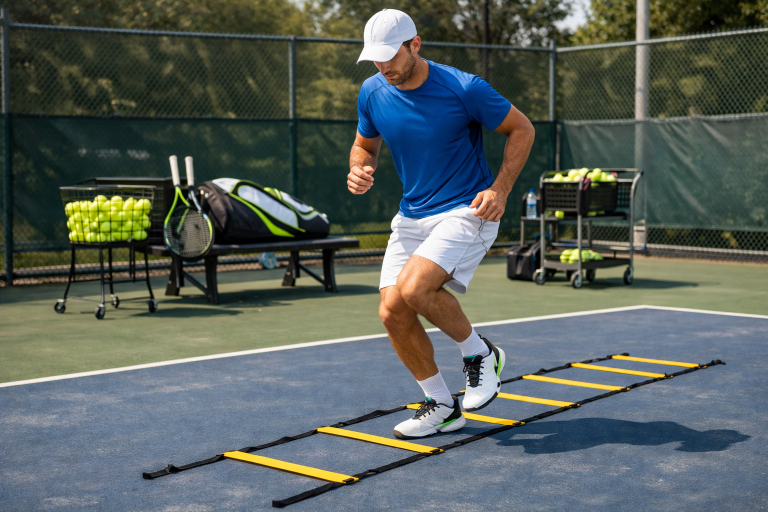
Success on the tennis court is heavily influenced by agility and quick footwork. Being able to move efficiently from side to side and react swiftly to opponents’ shots determines the outcome of points and matches. Utilizing agility drills like lateral shuffles, ladder work, and cone drills can improve the speed and coordination required during gameplay. These drills are also essential in developing the reflexes needed for split-second decisions and sudden movements. Agility training not only boosts overall game speed but also helps build the supporting muscles that stabilize joints. By regularly practicing dynamic movements outside of gameplay, athletes can maintain quick footwork throughout matches and reduce their risk of common lower limb injuries. The benefits extend beyond the court, contributing to general athleticism in other areas of life.
Building Core Strength and Rotational Power
Generating power in tennis largely depends on core strength and the body’s ability to produce rotational force. A resilient core is fundamental for effective baseline rallies, powerful serves, and efficient movement patterns. Exercises such as medicine ball throws, Russian twists, and Pallof presses help condition these key muscle groups. By incorporating rotational exercises into their routines, players develop better core stability and trunk mobility. This increased strength translates to harder shots, faster racquet speed, and improved balance while changing direction. Core training is also vital for supporting the lower back and preventing overuse injuries that commonly affect tennis players.
Improving Shoulder Durability
The repetitive nature of tennis strokes, particularly serves and overheads, places significant strain on the shoulders. This makes shoulder durability a priority for anyone hoping to play consistently throughout the season. To address this, athletes should include rotator cuff strengthening exercises in their regimens. Movements such as internal and external band rotations and scapular wall slides are valuable for building resilience in the shoulder complex. Proper shoulder conditioning not only helps prevent injuries such as rotator cuff strains and impingement but also ensures players can maintain high levels of play without pain or fatigue. Regularly dedicating time to shoulder health can extend a tennis career. For more information on shoulder stability, refer to this article from Medical News Today.
Boosting Endurance and Stamina
Tennis matches can last for hours, with athletes relying on both aerobic and anaerobic energy systems. High-intensity interval training (HIIT) closely mimics the demands of tennis, alternating between sprint bursts and active recovery periods. Incorporating HIIT sessions into a training schedule helps athletes build the stamina needed to sustain long rallies and protracted games. Cardiovascular conditioning not only boosts physical endurance but also mental toughness, allowing players to maintain focus and performance deep into the match.
Injury Prevention Strategies
Injury prevention is a foundational element of any effective tennis training program. Flexibility exercises, thorough warm-ups, and resistance training can greatly reduce the risk of common tennis ailments such as sprained ankles or wrist strains. Exercises like side lunges, dynamic stretching, and wrist extensions foster joint health and prepare the body for intense activity. Active recovery and regular assessments of form and technique are equally important, ensuring that players maintain optimal biomechanics during practice and competition. Addressing minor discomforts early can help prevent them from developing into more serious problems, allowing athletes to continue enjoying their training and performance improvements.
Implementing a Sport-Specific Training Program
Creating a sport-specific training regimen involves more than just stringing together a series of exercises. Players should start by evaluating their strengths, weaknesses, and training history. Focusing on areas such as agility, core power, endurance, and recovery helps build a well-rounded, effective program. Collaborating with a coach or fitness expert with tennis experience can make a significant difference in achieving desired results. By systematically tracking progress, making adjustments based on personal feedback, and maintaining consistency, athletes can maximize their gains and improve both their short-term performance and long-term health.
Conclusion
Sport-specific training has become indispensable for tennis players seeking to elevate their performance, longevity, and enjoyment of the game. By tailoring their routines to replicate on-court demands, improving core and shoulder strength, and focusing on proper injury prevention methods, athletes can step onto the court prepared for any challenge competitive tennis offers. A customized approach not only lowers the risk of injury but also sets the foundation for continuous improvement and success.
