

Understanding the Landscape: Surgical vs. Non-Surgical Options

The landscape of cosmetic procedures has undergone a dramatic change. What was once whispered in private is now openly discussed, reflecting a broader acceptance of aesthetic improvement as part of personal well-being. This shift highlights a growing desire among us to align our outer appearance with our inner sense of self. Today, advanced cosmetic procedures are more accessible and diverse than ever, offering a wide range of options to meet individual goals across various demographics.
In this extensive guide, we aim to explain cosmetic improvements. We will explore the differences between surgical and non-surgical options, dig into the motivations behind seeking these treatments, and outline the potential benefits and risks. We will also guide you through the journey from consultation to recovery, and look at the exciting future of aesthetic medicine. Our goal is to empower you with the knowledge needed to make confident and informed decisions about your own aesthetic journey.
When we talk about cosmetic procedures, it’s crucial to understand the fundamental distinction between cosmetic surgery and reconstructive surgery. While both fall under the umbrella of plastic surgery, their primary goals differ significantly. Cosmetic surgery is performed to reshape normal structures of the body to improve appearance and self-esteem. It is elective and focuses purely on aesthetic improvement. Reconstructive surgery, on the other hand, is performed to correct functional impairments caused by burns, traumatic injuries, congenital abnormalities, developmental anomalies, infection, or disease. Its aim is to restore function and normal appearance.
For individuals considering aesthetic improvement, the choice often comes down to surgical versus non-surgical options. Each category offers distinct advantages and considerations, from invasiveness to recovery time.
Feature Surgical Procedures Non-Surgical Procedures Invasiveness Highly invasive (incisions, general anesthesia) Minimally invasive (injections, lasers, topical) Anesthesia General anesthesia, IV sedation, regional Local anesthetic, topical numbing, or none Recovery Longer, significant downtime (weeks to months) Shorter, minimal to no downtime (hours to days) Results Longevity Long-lasting, often permanent (though aging continues) Temporary, requiring maintenance (months to years) General Cost Higher per procedure Lower per procedure, but recurring for maintenance The Evolution of Surgical Techniques
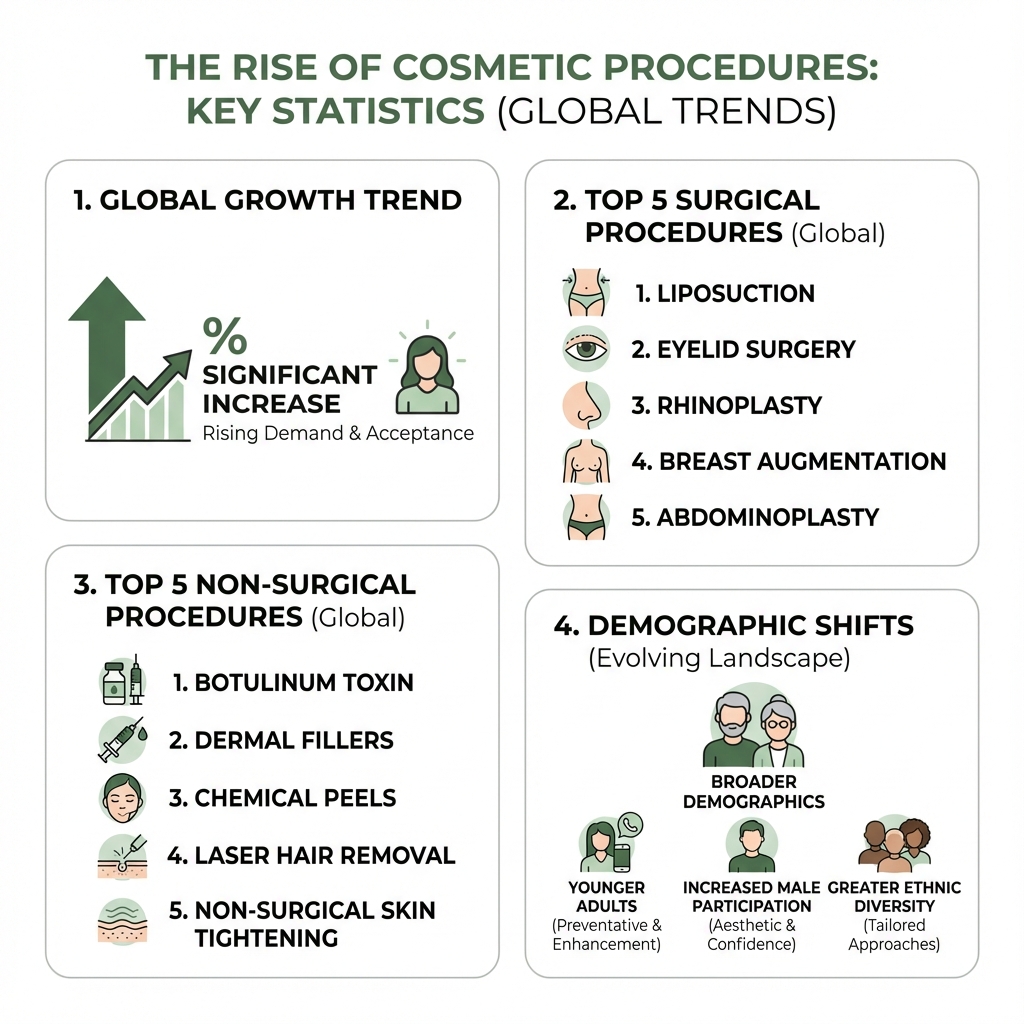
Surgical cosmetic procedures have been the cornerstone of aesthetic improvement for decades, and they continue to evolve with remarkable precision and safety. We’ve seen significant advancements in techniques that allow for more natural-looking results and reduced recovery times. Procedures like liposuction, breast augmentation, eyelid surgery (blepharoplasty), and abdominoplasty (tummy tuck) remain incredibly popular worldwide. In fact, in 2022, the top five surgical cosmetic procedures globally included liposuction, breast augmentation, eyelid surgery, abdominoplasty, and breast lift. Over 1.8 million cosmetic surgical procedures are performed annually in the United States alone, highlighting their continued demand.
Modern surgical approaches prioritize not just the removal or addition of tissue, but also the harmonious contouring and sculpting of the body. For instance, advanced body contouring techniques now focus on creating balanced proportions rather than simply reducing volume. Surgeons are increasingly utilizing less invasive methods within the surgical field, such as endoscopic techniques for facelifts, which involve smaller incisions and can lead to quicker healing. These innovations allow for significant, transformative changes with outcomes that are more refined and custom to individual anatomy. For those seeking comprehensive information on various surgical options and their benefits, exploring resources dedicated to advanced cosmetic procedures can provide valuable insights into what’s possible today.
The Boom in Minimally Invasive Cosmetic Procedures
The rise of minimally invasive cosmetic procedures has revolutionized the aesthetic industry, offering effective solutions with significantly less downtime and risk compared to traditional surgery. These treatments have become incredibly popular, often outnumbering surgical procedures by a substantial margin. In the United States, for example, minimally invasive procedures outnumbered surgical ones by a ratio of nearly 8:1 in 2023, with over 18 million non-surgical treatments performed annually. This shift reflects a growing preference for subtle improvements and quicker recovery.
The top five non-surgical cosmetic procedures globally in 2022 were Botulinum toxin, Hyaluronic acid fillers, hair removal, skin resurfacing, and nonsurgical fat reduction. Botulinum toxin injections, commonly known by brand names like Botox, Dysport, and Xeomin, remain the most popular aesthetic procedure in America, with over 7 million treatments administered annually. These injectables temporarily relax targeted muscles, reducing the appearance of dynamic wrinkles. Dermal fillers, primarily hyaluronic acid-based, restore lost volume, smooth lines, and improve facial contours, often referred to as “liquid facelifts.”
Beyond injectables, we see a wide array of options:
- Skin resurfacing treatments, including chemical peels and laser therapies, improve skin texture, tone, and reduce imperfections.
- Energy-based devices use technologies like radiofrequency and ultrasound to stimulate collagen production, tighten skin, and reduce localized fat deposits without incisions.
- Nonsurgical fat reduction methods, such as CoolSculpting, freeze and eliminate fat cells, offering an alternative to liposuction for smaller areas.
These procedures are often appealing for “prejuvenation,” a preventative approach where younger individuals use subtle interventions to slow the aging process. The convenience and efficacy of these treatments mean patients can often return to their daily routines almost immediately. For those interested in exploring non-surgical options that offer aesthetic improvements with minimal interruption to their schedule, researching awake cosmetic procedures can provide a deeper understanding of these convenient and effective treatments.
Motivations, Benefits, and Realistic Expectations

The decision to undergo a cosmetic procedure is deeply personal, driven by a complex interplay of motivations. It’s rarely about vanity alone; often, it stems from a desire to boost self-esteem, improve professional confidence, or address specific physical changes that impact one’s quality of life. For many, cosmetic procedures are a way to align their outer appearance with their inner sense of self, fostering a greater feeling of wholeness and confidence.
We’ve observed a significant increase in individuals seeking cosmetic improvements due to factors like the “Zoom effect,” where constant video conferencing has heightened self-awareness of facial features. Post-pregnancy body changes also motivate many to consider procedures like “Mommy Makeovers.” While the benefits can be profound, it’s crucial to approach any procedure with realistic expectations, understanding that the goal is improvement, not perfection. A healthy mindset emphasizes personal satisfaction and well-being over chasing an unattainable ideal.
Why People Choose Cosmetic Improvement
The motivations behind seeking cosmetic procedures are as diverse as the individuals themselves. We often find that people choose cosmetic improvement for reasons that extend beyond mere appearance:
- Boosting Confidence and Self-Esteem: For many, addressing a feature they’ve long felt insecure about can significantly improve their confidence in social and professional settings.
- Aligning Outer Appearance with Inner Self: As we age, our reflection might not always match how young or vibrant we feel inside. Procedures can help bridge this gap, creating a more harmonious self-image.
- Correcting Insecurities: Whether it’s a prominent nose, sagging eyelids, or stubborn pockets of fat, specific physical traits can be a source of long-standing insecurity. Cosmetic procedures offer a path to alleviating these concerns.
- Restoring Youthful Contours: The natural aging process leads to wrinkles, loss of volume, and skin laxity. Many procedures aim to reverse these signs, restoring a more youthful and refreshed appearance.
- Addressing Post-Traumatic or Post-Pregnancy Changes: Life events like childbirth, significant weight loss, or injuries can leave lasting physical marks. Cosmetic procedures can help restore the body to a more desired state, aiding in psychological recovery and acceptance.
- Professional Advantages: In certain fields, maintaining a youthful or polished appearance can be perceived as beneficial, leading some to seek improvements for professional reasons.
The decision is about empowering oneself and achieving a greater sense of personal well-being.
The Importance of a Healthy Mindset
While the physical change from cosmetic procedures can be remarkable, we emphasize that the psychological aspect is equally vital. Approaching these procedures with a healthy mindset is paramount for achieving genuine satisfaction. This involves:
- Realistic Goals: Understanding that cosmetic surgery aims for improvement, not perfection. Our bodies are naturally asymmetrical, and achieving absolute symmetry is often neither possible nor desirable.
- Understanding Limitations: Recognizing that while procedures can improve, they cannot fundamentally change who we are. They are tools to refine, not reinvent.
- Patient Satisfaction: The most satisfied patients are those who have a clear understanding of what a procedure can and cannot achieve, and whose motivations are internal rather than external.
- Open Communication with Your Provider: A transparent dialogue about your expectations, fears, and desired outcomes with your surgeon is crucial. They can guide you on what is realistically achievable.
- Body Positivity: Cosmetic procedures should complement a foundation of self-acceptance and body positivity, rather than being a desperate attempt to fix perceived flaws. They should improve, not replace, self-love.
We encourage individuals to explore their motivations deeply and ensure their decision is rooted in personal desire for improvement, rather than external pressure or unrealistic ideals.
Navigating Your Journey: From Consultation to Recovery
 Starting on the journey of cosmetic improvement is a significant decision, and navigating it effectively requires careful planning and informed choices. From the initial consultation to the final stages of recovery, each step plays a crucial role in ensuring a safe, satisfying, and successful outcome. We believe in empowering our patients with knowledge, enabling them to make confident decisions about their care.
Choosing the Right Provider
Selecting a qualified and trustworthy cosmetic surgeon or provider is arguably the most critical step in your journey. This choice directly impacts your safety, the quality of your results, and your overall experience. We strongly recommend a thorough vetting process:
- Board Certification: Always verify that your surgeon is board-certified by the American Board of Plastic Surgery or an equivalent recognized board. This signifies that they have met rigorous standards of training, experience, and ethical practice.
- Surgeon Experience: Inquire about their specific experience with the procedure you are considering. How many times have they performed it? What is their success rate?
- Hospital Privileges: Ensure your surgeon has privileges to perform the procedure in an accredited hospital, even if your surgery is planned for an outpatient surgical center. This indicates they have met high standards of care.
- Before-and-After Photos: Review a substantial portfolio of their actual patients’ before-and-after photos. This provides a realistic sense of their aesthetic style and the results you can expect.
- Patient Reviews: Seek out testimonials and reviews from previous patients to gauge their experience with the surgeon and their team.
To aid in your decision-making, we’ve compiled a list of key questions to ask during your consultation:
Key Questions for Your Consultation:
- What are your qualifications and how long have you been practicing?
- Are you board-certified, and by which board?
- How many times have you performed the specific procedure I am interested in?
- What are the potential risks and complications associated with this procedure, particularly for someone with my health history?
- What kind of results can I realistically expect? Can I see before-and-after photos?
- Where will the procedure be performed, and what type of anesthesia will be used?
- What is the typical recovery process, and how long will it take?
- What is the total cost, including anesthesia, facility fees, and follow-up care?
- What is your policy on revisions or touch-ups if I am not satisfied with the results?
Preparation and the Procedure Itself
Once you’ve chosen your provider, the preparation phase begins. This is a critical time to optimize your health and ensure a smooth procedure and recovery. Your surgeon will provide detailed pre-operative instructions, which we advise you to follow diligently. Common instructions often include:
- Medical Evaluation: Undergoing necessary lab tests and a physical examination to ensure you are a suitable candidate for the procedure.
- Medication Review: Discussing all current medications, supplements, and herbal remedies with your surgeon. You may need to stop certain medications, like blood thinners or anti-inflammatory drugs, for a period before surgery.
- Quitting Smoking: We cannot stress this enough – if you smoke, you will be advised to quit several weeks before and after surgery. Nicotine significantly impairs healing and increases the risk of complications.
- Alcohol Consumption: Avoiding alcohol for at least a week prior to surgery.
- Hydration and Nutrition: Maintaining good hydration and a healthy diet to support your body’s healing process.
- Arranging Support: Planning for someone to drive you home after surgery and assist you during the initial recovery period.
During the procedure itself, your comfort and safety are paramount. The type of anesthesia used will depend on the procedure’s complexity and your individual health, ranging from local anesthetics to IV sedation or general anesthesia. Procedures may be performed in an accredited outpatient surgical center or a hospital, both of which adhere to stringent safety protocols. The surgical team will monitor your vital signs closely throughout the process, ensuring a secure and controlled environment.
The Recovery and Results Timeline
The recovery process is an integral part of your cosmetic journey, and understanding what to expect is key to managing your expectations and ensuring optimal results. Recovery timelines vary significantly depending on the procedure’s invasiveness and your individual healing capacity.
- Immediate Post-Procedure: After surgery, you’ll typically spend time in a recovery area while the effects of anesthesia wear off. You’ll receive instructions on wound care, pain management, and activity restrictions.
- Managing Swelling and Bruising: These are common and temporary side effects. We often recommend cold compresses, elevation, and prescribed medications to minimize discomfort and expedite resolution.
- Activity Restrictions: Your surgeon will advise on limitations for physical activity, lifting, and strenuous exercise. It’s crucial to adhere to these guidelines to prevent complications and support proper healing.
- Timelines for Different Procedures: For non-surgical treatments like injectables, downtime is minimal, often just a few hours or days for minor bruising. Surgical procedures, however, require more extensive recovery. For example, a breast augmentation might involve a few days of significant discomfort and several weeks of activity restrictions, while a full facelift could require several weeks of social downtime.
- Longevity of Results: Non-surgical results are temporary, typically lasting from several months to a couple of years, necessitating maintenance treatments. Surgical results are generally long-lasting, often considered permanent, but they do not stop the natural aging process. Over time, new signs of aging will appear, and some individuals may opt for touch-up procedures years later.
- Final Outcome Visibility: It’s important to be patient. While initial improvements are often visible quickly, the final results of many procedures, especially surgical ones, may take several months to a year to fully manifest as swelling resolves and tissues settle. For example, the final shape of a rhinoplasty (nose job) can take up to a year to be fully appreciated.
We emphasize that patience and diligent adherence to post-operative care instructions are vital for achieving the best possible aesthetic outcome.
Key Considerations for Cosmetic Procedures: Risks and Costs
As with any medical intervention, cosmetic procedures come with inherent risks and financial considerations. We believe in full transparency, ensuring that every individual considering improvement is thoroughly informed about both the potential downsides and the economic commitment involved. Understanding these factors is crucial for making a truly informed decision.
Understanding the Potential Risks
While cosmetic procedures are generally safe, especially when performed by qualified professionals, be aware of the potential risks and complications. We categorize these into general surgical risks and specific risks associated with particular procedures:
General Surgical Risks (for invasive procedures):
- Anesthesia Complications: These can range from nausea and vomiting to, in rare cases, more severe reactions like allergic responses or cardiovascular events.
- Infection: Although sterile techniques are used, there’s always a small risk of infection at the surgical site.
- Bleeding and Hematoma: Excessive bleeding or the formation of a hematoma (a collection of blood under the skin) can occur.
- Fluid Buildup (Seroma): Accumulation of fluid under the skin, which may require drainage.
- Scarring: All surgical incisions result in scars. While surgeons strive to place incisions in inconspicuous areas and minimize their appearance, surgical scars are permanent.
- Nerve Damage: Temporary or, in rare cases, permanent numbness, tingling, or altered sensation can occur.
- Poor Wound Healing: Factors like smoking, diabetes, or poor nutrition can impair healing.
- Blood Clots: Deep vein thrombosis (DVT) or pulmonary embolism (PE) are rare but serious complications.
Non-Surgical Risks:
- Bruising and Swelling: Common and temporary with injectables.
- Redness and Irritation: Particularly with laser treatments or chemical peels.
- Allergic Reactions: Rare, but possible with certain injectable materials.
- Asymmetry: While efforts are made for symmetry, slight variations can occur.
- Skin Discoloration: Pigment changes can sometimes result from laser treatments or peels.
- Nodules or Bumps: Can occur with fillers, sometimes requiring dissolution or removal.
- Serious Complications: Very rare, but can include vascular occlusion (blockage of a blood vessel) with fillers, leading to tissue necrosis, or vision loss.
We emphasize that choosing a board-certified and experienced provider significantly minimizes these risks. They will conduct a thorough medical evaluation to assess your individual risk factors and discuss them with you in detail.
Financial Planning for Your Procedure
Cosmetic procedures are typically elective, meaning they are not medically necessary and are therefore generally not covered by health insurance. This makes financial planning a crucial aspect of your decision-making process.
- Elective Nature: Since these procedures are chosen for aesthetic reasons, you will be responsible for the full cost.
- Insurance Coverage: In almost all cases, health insurance will not cover cosmetic surgery. The exception might be reconstructive procedures that have an aesthetic component, such as breast reconstruction after mastectomy, or breast reduction if it alleviates documented medical symptoms like back pain.
- Cost Variables: The total cost can vary widely based on several factors:
- Type and Complexity of Procedure: More extensive surgeries naturally cost more.
- Surgeon’s Fees: These vary based on the surgeon’s experience, reputation, and geographic location.
- Anesthesia Fees: Determined by the type of anesthesia used and the duration of the procedure.
- Facility Fees: Costs associated with the surgical center or hospital.
- Pre- and Post-Operative Care: This can include consultations, follow-up appointments, and sometimes necessary garments.
- Geographic Location: Costs can differ significantly between regions and cities.
- Requesting Detailed Quotes: Always request a comprehensive, itemized quote from your provider that includes all anticipated costs.
- Financing Options: Many practices offer financing plans through third-party medical credit companies, allowing you to pay for your procedure in installments. It’s also common for individuals to use personal savings or credit cards.
We advise budgeting not only for the procedure itself but also for any potential follow-up treatments or maintenance required, especially for non-surgical options where results are temporary.
The Future of Aesthetic Medicine
The field of aesthetic medicine is dynamic and rapidly evolving, driven by continuous innovation in technology, a deeper understanding of the aging process, and changing societal attitudes. We are on the cusp of exciting advancements that promise even more personalized, effective, and less invasive ways to improve appearance and well-being.
Emerging Trends and Technologies
We observe several key trends shaping the future of cosmetic procedures:
- “Prejuvenation”: This proactive approach focuses on early, subtle interventions to slow down the aging process rather than waiting to address more significant concerns later. Younger patients are increasingly opting for treatments like light neurotoxin doses, mild chemical peels, and preventative skincare regimens.
- Energy-Based Devices: The development of sophisticated energy-based devices continues to accelerate. Technologies utilizing radiofrequency, ultrasound, and various laser wavelengths are becoming more precise, offering improved skin tightening, fat reduction, and resurfacing with improved safety profiles and reduced downtime.
- New Injectable Formulas: Research into novel injectable materials is leading to products with longer-lasting results, improved safety, and more natural integration with tissues. We anticipate advancements in bio-stimulatory fillers that encourage the body’s own collagen production.
- Virtual Consultations: The pandemic accelerated the adoption of virtual consultations, which are likely to remain a convenient and efficient first step for many patients, especially for initial assessments and follow-ups.
- Focus on Subtle Improvements: There’s a growing preference for natural-looking results that improve an individual’s features rather than drastically altering them. The goal is often to look refreshed and refreshd, not “done.”
What’s Next for the Aesthetics Industry
Looking ahead, we envision an aesthetics industry that is even more integrated with overall health and wellness:
- Personalized Medicine: Future treatments will likely be highly personalized, leveraging genetic insights, AI-driven diagnostics, and 3D imaging to create bespoke treatment plans custom to an individual’s unique anatomy, skin type, and aging patterns.
- Regenerative Treatments: We expect to see a greater emphasis on regenerative procedures, utilizing growth factors, stem cells, and exosome therapies to promote tissue repair and rejuvenation from within.
- Combination Therapies: The future will likely involve more sophisticated combination therapies, where different modalities (e.g., injectables, energy devices, and advanced skincare) are strategically combined for synergistic and superior results.
- AI in Aesthetics: Artificial intelligence is ready to play a significant role, from assisting with diagnosis and treatment planning to predicting outcomes and enhancing patient safety.
- Growing Male Market: While women currently constitute approximately 87% of cosmetic procedure recipients, men represent the fastest-growing segment. This trend is expected to continue, with more male-specific treatments and marketing.
- Increased Diversity: Patients from racial and ethnic minority groups now account for over 30% of all procedures—a significant increase from just a decade ago. The industry will continue to evolve to meet the diverse aesthetic needs and preferences of a broader population.
- Sustainable Practices: As environmental consciousness grows, the aesthetics industry will likely adopt more sustainable practices, from product packaging to waste management and energy consumption in clinics.
- Holistic Well-being: The focus will shift even further towards integrating aesthetic treatments with a holistic approach to well-being, recognizing the interconnectedness of physical appearance, mental health, and lifestyle.
These advancements promise a future where aesthetic improvements are safer, more effective, and seamlessly integrated into a comprehensive approach to personal care.
Frequently Asked Questions about Cosmetic Procedures
We understand that considering cosmetic procedures can bring up many questions. Here, we address some of the most common inquiries we receive to help clarify key aspects of aesthetic improvement.
What is the difference between cosmetic and reconstructive surgery?
The primary distinction lies in their purpose. Cosmetic surgery is an elective procedure performed to reshape normal structures of the body with the goal of improving appearance and self-esteem. It focuses entirely on aesthetic improvement. For example, a breast augmentation to increase breast size or a facelift to reduce wrinkles are cosmetic procedures.
Reconstructive surgery, on the other hand, is performed to correct functional impairments caused by congenital abnormalities (birth defects), traumatic injuries, developmental anomalies, infection, tumors, or disease. Its main objective is to restore function and normal appearance. Examples include breast reconstruction after a mastectomy, repair of a cleft lip, or skin grafting for severe burns. While reconstructive surgery can certainly improve appearance, its core aim is restorative and medically necessary.
How do I know if I’m a good candidate for a cosmetic procedure?
Determining candidacy involves a thorough evaluation by a qualified professional. Generally, we look for several key indicators:
- Good Physical Health: You should be in overall good health, without any significant medical conditions that could increase surgical risks or impair healing.
- Stable Weight: For body contouring procedures, a stable weight is often crucial. Significant weight fluctuations after surgery can compromise results.
- Non-Smoker: Smoking severely impedes the healing process and increases complication risks. Most surgeons require patients to quit smoking several weeks before and after surgery.
- Realistic Expectations: You should have a clear and realistic understanding of what the procedure can achieve. The goal is improvement, not perfection, and open communication with your surgeon about your expectations is vital.
- Personal Motivation: Your decision should be driven by personal desire for improvement, not by external pressure from others or an attempt to please someone else.
- Psychological Stability: Individuals with untreated body dysmorphic disorder or significant mental health issues may not be ideal candidates, as cosmetic procedures may not address the underlying psychological concerns.
A comprehensive consultation with a board-certified surgeon will help determine if a procedure is right for you.
How long do the results of cosmetic procedures last?
The longevity of results varies greatly depending on the type of procedure:
- Surgical Procedures: Results from surgical cosmetic procedures are generally long-lasting, often considered permanent, but they do not stop the natural aging process. A facelift, for example, can turn back the clock by many years, but your face will continue to age from that point forward. Similarly, breast augmentation results are durable, though implants may need replacement after 10-15 years, and natural breast tissue will still be subject to gravity and aging. Most surgical results can last for many years, even decades, but factors like lifestyle, sun exposure, and genetics will influence their ultimate duration.
- Non-Surgical Procedures: Results from non-surgical treatments are temporary and require maintenance.
- Botulinum Toxin: Typically lasts 3-4 months.
- Dermal Fillers: Can last from 6 months to 2 years, depending on the type of filler and the treated area.
- Laser Skin Resurfacing/Chemical Peels: Results can be long-lasting with good skincare, but repeat treatments may be recommended periodically to maintain optimal skin quality.
- Nonsurgical Fat Reduction: Results are permanent as fat cells are destroyed, but maintaining a stable weight is essential to prevent remaining fat cells from enlarging.
We always advise discussing the expected longevity of results and any necessary maintenance plans with your provider during your consultation.
Conclusion
The journey through cosmetic procedures reveals a landscape rich with innovation and evolving possibilities. We’ve seen how aesthetic improvements have moved from the periphery to the mainstream, offering diverse options for individuals seeking to align their outer appearance with their inner sense of self. From the transformative power of surgical techniques to the subtle refinements offered by minimally invasive treatments, the advancements in this field are truly remarkable.
Our exploration has highlighted the crucial distinction between cosmetic and reconstructive surgery, the primary motivations driving individuals to seek these procedures, and the profound benefits that extend beyond mere physical change to impact self-esteem and confidence. We’ve also underscored the importance of a healthy mindset, emphasizing realistic expectations and open communication as cornerstones for satisfaction.
As you consider your own aesthetic journey, informed decision-making is paramount. Research thoroughly, prioritize choosing a board-certified and experienced provider, and engage in detailed consultations to understand the preparation, procedure, recovery, and financial considerations involved. The future of aesthetic medicine promises even more personalized and integrated approaches, further empowering us to make choices that support our overall well-being. By embracing knowledge and seeking expert guidance, you can confidently steer this exciting field and start on a path that improves your personal sense of self and satisfaction.
