

 Losing your hair can be a challenging experience, often impacting more than just your appearance. It can significantly affect your confidence and how you feel about yourself. If you’re noticing thinning or bald spots, you’re not alone; it’s a common concern for many.
The exciting news is that modern hair restoration has advanced considerably. Today, effective solutions are available to help you regain a fuller head of hair and boost your self-esteem.
For residents of Indian River County, understanding these possibilities is the first step. This comprehensive guide will walk you through everything you need to know. We will explore the different types of hair restoration procedures, from advanced surgical techniques to innovative non-surgical therapies.
We will also help you identify leading specialists in the area and understand typical cost ranges. You’ll learn about the benefits, potential risks, and what to expect during the recovery process. Our aim is to provide you with a clear roadmap. We want to empower you to make informed decisions on your journey from thinning to thriving.
Before diving into solutions, it’s crucial to understand the root cause of your hair loss. Hair loss is not a one-size-fits-all condition, and effective treatment begins with an accurate diagnosis. In Indian River County, as elsewhere, various factors can contribute to thinning hair or baldness, making a professional evaluation essential.
Common causes include genetic predispositions, hormonal imbalances, medical conditions, and even lifestyle factors. The most prevalent forms of hair loss we encounter are:
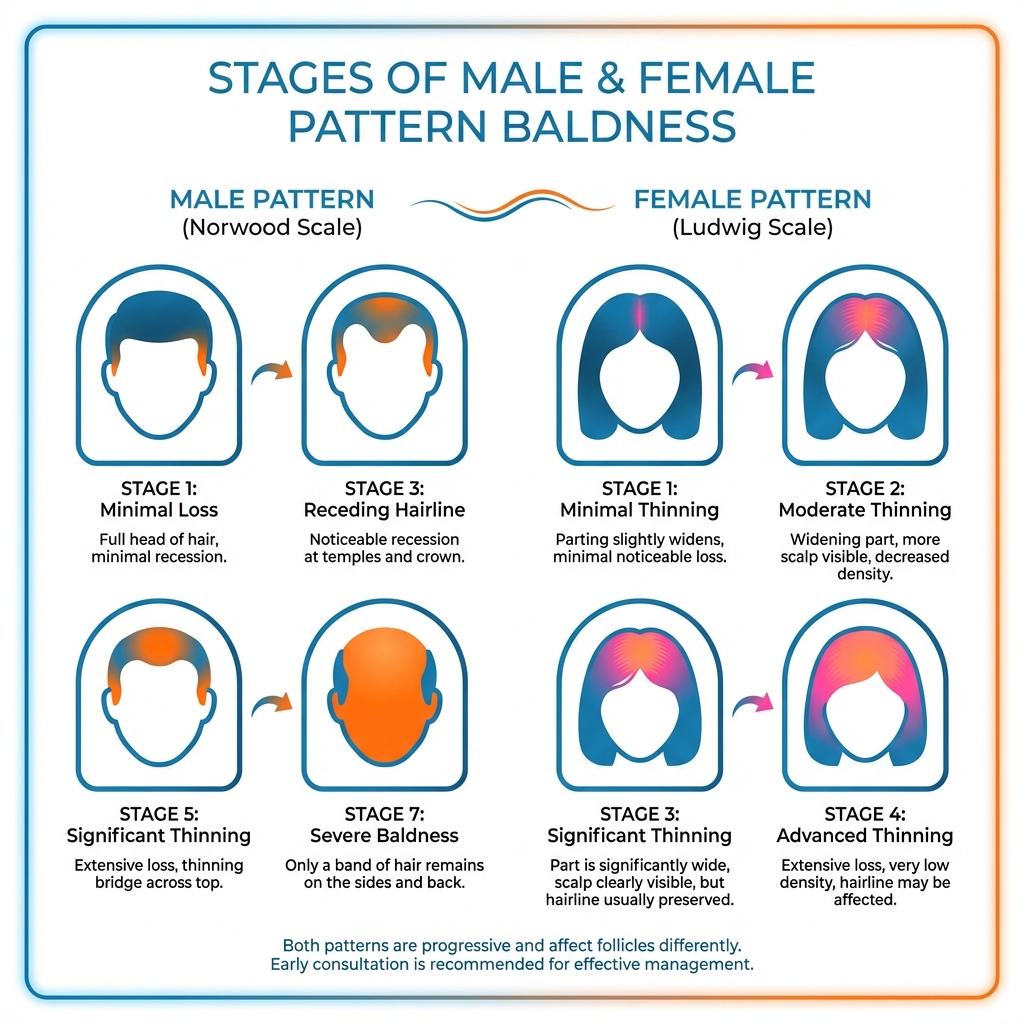
- Androgenetic Alopecia: Also known as male or female pattern baldness, this is the most common cause of hair loss, affecting millions worldwide. It’s hereditary and results in a predictable pattern of thinning.
- Male Pattern Baldness: Characterized by a receding hairline and/or thinning crown, often progressing to partial or complete baldness.
- Female Pattern Baldness: Typically involves diffuse thinning of the scalp’s top and crown, with the frontal hairline usually remaining intact.
- Alopecia Areata: An autoimmune condition where the immune system mistakenly attacks hair follicles, leading to patchy hair loss that can range from small spots to complete baldness.
- Telogen Effluvium: A temporary form of hair loss often triggered by significant stress, illness, childbirth, or certain medications, causing a large number of hairs to enter the resting (telogen) phase prematurely.
Understanding the specific type of hair loss you’re experiencing is the cornerstone of developing an effective treatment plan.
Why Am I Losing My Hair?
The reasons behind hair loss are complex and often multifaceted. Here’s a breakdown of common culprits:
- Genetics: The most significant factor. If your parents or grandparents experienced hair loss, you’re more likely to as well. This genetic predisposition influences how your hair follicles react to hormones, particularly dihydrotestosterone (DHT).
- Hormonal Changes: Fluctuations in hormones, such as those occurring during pregnancy, childbirth, menopause, or thyroid problems, can lead to temporary or permanent hair loss.
- Medical Conditions: Certain conditions, such as lupus, diabetes, or scalp infections, can cause hair loss. Nutritional deficiencies, especially in iron, zinc, or biotin, can also play a role.
- Lifestyle Factors: Poor nutrition, excessive styling, harsh chemical treatments, and tight hairstyles can damage hair follicles, leading to breakage or thinning.
- Stress: Significant physical or emotional stress can push a large number of hair follicles into a resting phase, leading to noticeable shedding a few months later.
Getting a Professional Diagnosis
The importance of a professional diagnosis cannot be overstated. Self-diagnosing can lead to ineffective treatments and wasted time and money. A qualified hair restoration specialist or dermatologist in Indian River County will typically:
- Conduct a thorough consultation: Discuss your medical history, family history of hair loss, lifestyle, and any symptoms you’re experiencing.
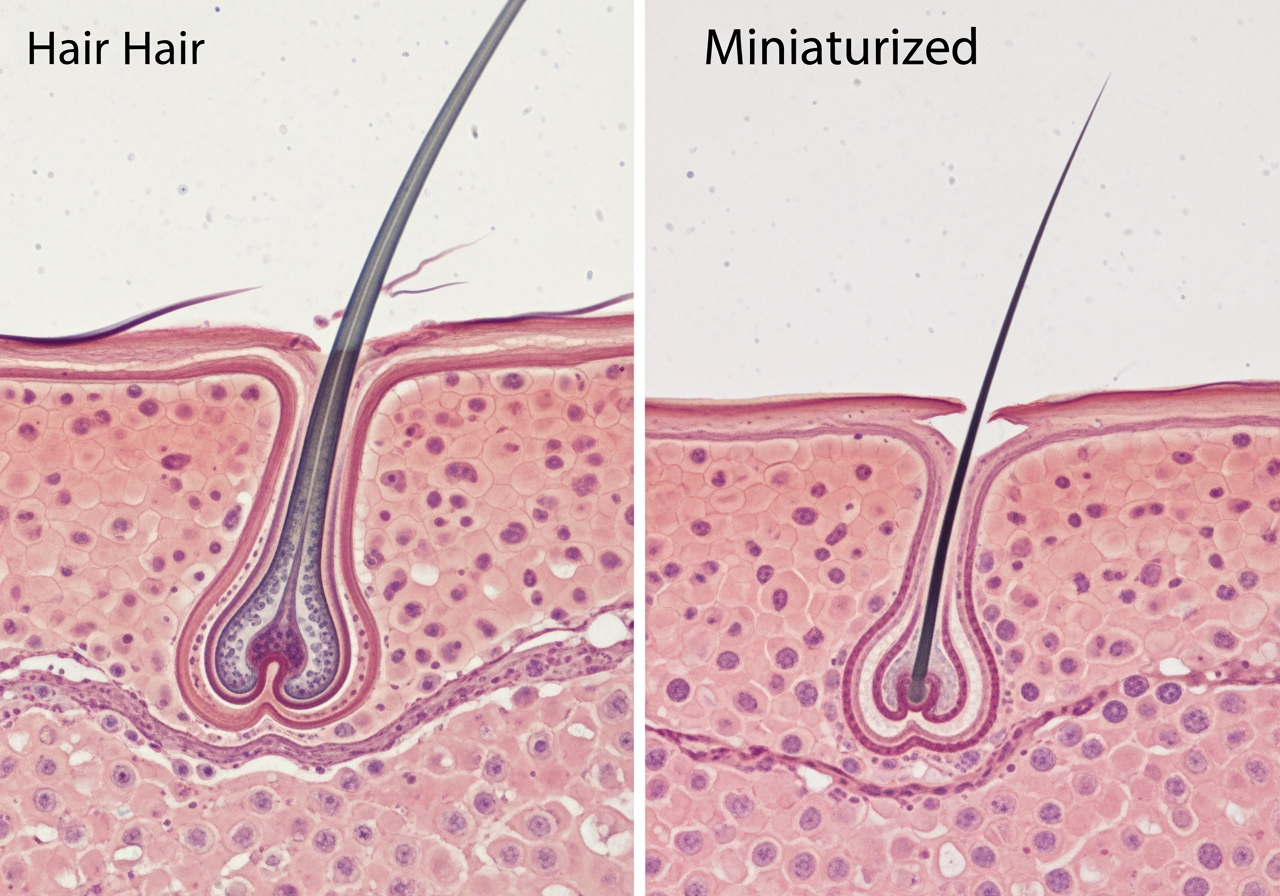
- Perform a scalp analysis: This may involve examining your scalp and hair follicles closely, sometimes using specialized tools like a dermatoscope, to assess hair density, miniaturization, and scalp health.
- Order blood tests (if necessary): To rule out underlying medical conditions or nutritional deficiencies.
- Determine the cause: Based on the findings, they will pinpoint the specific type and cause of your hair loss.
- Create a custom plan: Develop a personalized treatment strategy custom to your unique needs and goals.
A Guide to Surgical Hair Restoration Procedures
For many, surgical hair restoration offers the most definitive and long-lasting solution to hair loss. These procedures involve transplanting healthy hair follicles from a donor area (typically the back or sides of the scalp) to areas of thinning or baldness. In Indian River County, patients have access to advanced surgical techniques that provide natural-looking results.
The FUE Method: A Closer Look
Follicular Unit Extraction (FUE) has revolutionized hair transplantation due to its minimally invasive nature and excellent outcomes. This technique involves individually extracting follicular units (naturally occurring groups of 1-4 hairs) directly from the donor area using a micro-punch tool. These units are then carefully implanted into the recipient areas.
The global hair restoration market was valued at USD 8.9 billion in 2022 and is projected to grow at a CAGR of 13.1% from 2023 to 2030, driven by increasing demand for minimally invasive procedures such as FUE.
Key advantages of FUE include:
- Individual follicle extraction: Allows for precise placement and a natural appearance.
- No linear scar: Unlike older methods, FUE leaves tiny, almost undetectable dot scars, allowing patients to wear their hair short without visible signs of surgery.
- Faster recovery: Patients typically experience less discomfort and a quicker return to normal activities compared to other surgical methods.
- Natural-looking results: When performed by a skilled surgeon, FUE creates a natural hairline and density that blends seamlessly with existing hair.
- Growing demand: FUE is in high demand, driven by its aesthetic benefits and reduced downtime.
While FUE is highly popular, another established surgical method is Follicular Unit Transplant (FUT), also known as the “strip method.” FUT involves removing a small strip of skin from the donor area, from which follicular units are then harvested and transplanted. While it leaves a linear scar, it can be advantageous for some patients who require a large number of grafts or have limited donor-area flexibility.
Beyond scalp hair, specialized procedures like Eyebrow Transplants and Beard Transplants are also available. These procedures use FUE techniques to restore or improve facial hair, providing custom solutions for those seeking to redefine their appearance.
Feature Follicular Unit Extraction (FUE) Follicular Unit Transplant (FUT) Scarring Tiny, dispersed dot scars (almost invisible) Linear scar in donor area (can be hidden by longer hair) Recovery Shorter, less discomfort Longer, potentially more discomfort Donor Area Individual follicles extracted Strip of tissue removed Hair Length Can wear hair short Requires longer hair to cover scar Cost Often slightly higher per graft Potentially lower for large sessions Benefits and Risks of Hair Transplant Surgery
Deciding on hair transplant surgery is a significant step, and it’s important to weigh both the potential benefits and risks.
Benefits:
- Permanent Results: Transplanted hair follicles are typically resistant to the hormones that cause hair loss, meaning they will continue to grow naturally for life.
- Restored Confidence: A fuller head of hair can significantly boost self-esteem and improve overall quality of life.
- Natural Appearance: Modern techniques, especially FUE, ensure the transplanted hair grows in a natural direction and at a natural density, blending seamlessly with your existing hair.
- Low Maintenance: Once the transplanted hair grows, it can be cut, styled, and cared for just like your natural hair.
Risks:
- Infection: As with any surgical procedure, there’s a minimal risk of infection at the donor or recipient sites. This is usually managed with antibiotics.
- Scarring: While FUE minimizes visible scarring, small dot scars will be present in the donor area. FUT leaves a linear scar.
- Swelling and Bruising: Temporary swelling around the eyes and forehead, and bruising, are common after surgery but typically resolve within a few days.
- Numbness: Temporary numbness in the donor or recipient areas can occur.
- Unnatural Hairline (if done improperly): The surgeon’s skill is paramount. An inexperienced surgeon might create an unnatural-looking hairline or improper density.
- Shock Loss: A temporary shedding of existing hair in the transplanted or surrounding areas can occur shortly after surgery, but this is usually temporary.
The Rise of Non-Surgical Treatments in Indian River County
For those not ready for surgery, or as a complementary treatment, non-surgical hair restoration options have become increasingly sophisticated. These treatments aim to slow hair loss, stimulate new growth, or improve the health of existing hair.
Platelet-Rich Plasma (PRP) Therapy
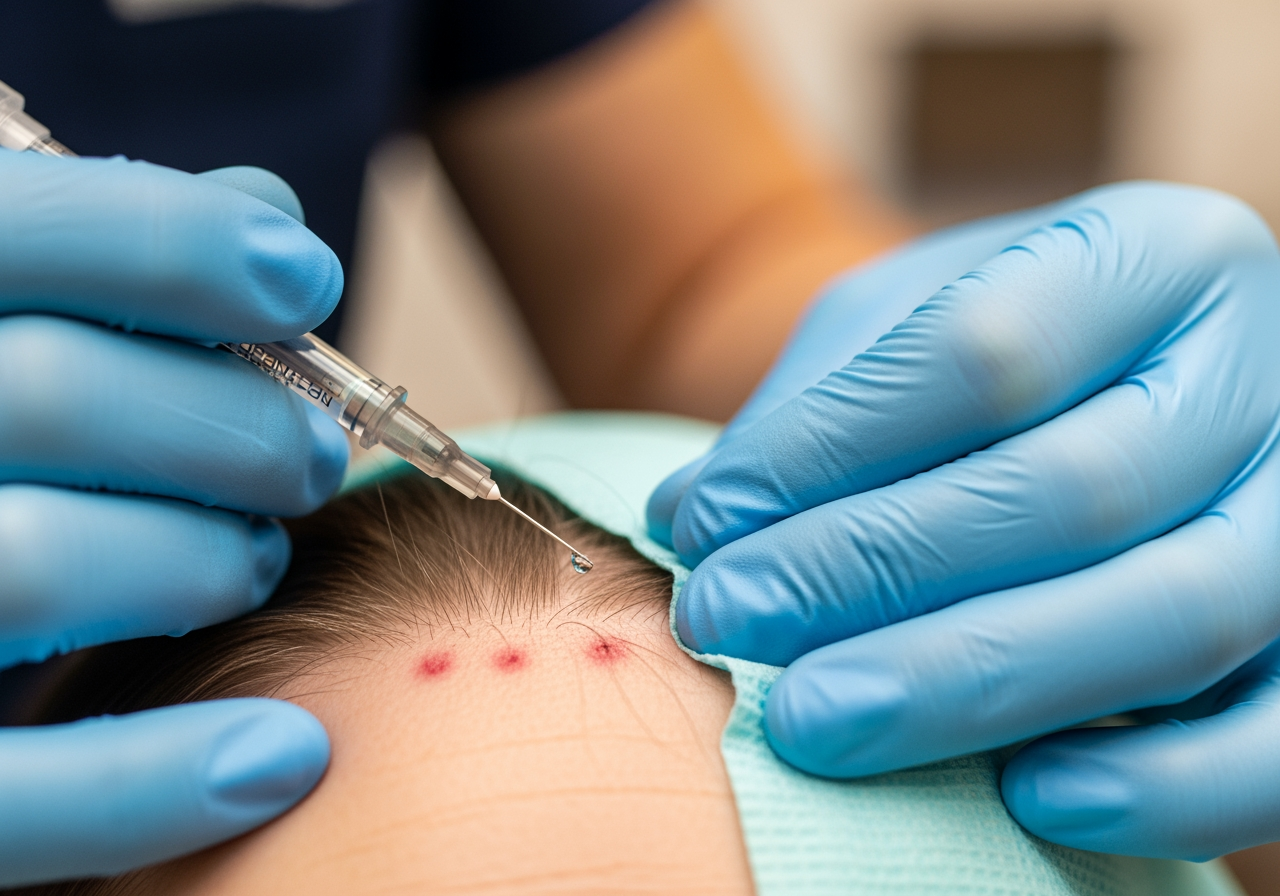
Platelet-rich plasma (PRP) therapy is a leading non-surgical option that harnesses the body’s natural healing capabilities. It involves drawing a small amount of the patient’s blood, processing it to concentrate the platelets (which are rich in growth factors), and then injecting this PRP into the scalp. These growth factors stimulate hair follicles, increase blood flow, and promote new hair growth.
PRP therapy is a growing trend in hair restoration, with many clinics offering it as a standalone or complementary treatment. In Indian River County, some integrative medicine practices, such as Sikora Integrative Medicine, offer PRP as part of their regenerative medicine services, harnessing the body’s own healing power. You can learn more about how regenerative medicine, including PRP, works to heal the body by exploring resources like this article on using the body’s power to heal.
Is PRP Right for You?
PRP therapy can be an excellent option for:
- Ideal Candidates: Individuals experiencing early hair thinning or those with androgenetic alopecia who still have active hair follicles that can be stimulated. It’s often more effective for slowing hair loss and thickening existing hair rather than regrowing hair in completely bald areas.
- Standalone vs. Complementary Treatment: PRP can be used as a standalone treatment or in conjunction with hair transplant surgery to improve graft survival and accelerate healing.
- Treatment Schedule: Typically involves a series of initial treatments (e.g., 3 sessions spaced a month apart), followed by maintenance treatments every 6-12 months.
- Expected Results: Patients often report reduced hair shedding, increased hair density, and improved hair thickness within a few months of starting treatment.
Other Non-Invasive Options
Beyond PRP, Indian River County residents have access to several other non-surgical hair restoration methods:
- Low-Level Laser Therapy (LLLT): This treatment uses medical-grade lasers or LED devices (caps, combs, or in-office machines) to stimulate hair follicles, increase blood flow to the scalp, and promote cellular activity, leading to thicker, healthier hair.
- FDA-Approved Medications:Minoxidil (Rogaine): A topical solution or foam applied directly to the scalp, available over-the-counter. It works by widening blood vessels and opening potassium channels, delivering more oxygen and nutrients to the hair follicle, which can stimulate growth and slow shedding.
- Finasteride (Propecia): An oral medication available by prescription, primarily for men. It works by inhibiting the conversion of testosterone to DHT, the hormone largely responsible for male pattern baldness.
- Scalp Micropigmentation (SMP): A cosmetic procedure that involves tattooing tiny dots onto the scalp to replicate the appearance of hair follicles, creating the illusion of a fuller head of shaved hair or adding density to thinning areas.
Finding the Right Provider for Natural Transplants hair restoration Indian River
Choosing the right hair restoration provider is perhaps the most critical decision you’ll make on your journey. The skill and experience of your specialist directly impact the naturalness and longevity of your results. In Indian River County, seek out clinics and surgeons who prioritize patient safety, ethical practices, and artistic excellence.
When researching options, a helpful search for residents can be ‘Natural Transplants hair restoration Indian River‘ to find clinics known for specific techniques and outcomes. We encourage you to explore all available information to make an informed decision.
How to Vet a Specialist for Natural Transplants hair restoration Indian River
To ensure you receive the best possible care and achieve the results you desire, consider the following when vetting a hair restoration specialist:
- Verify Credentials: Look for board-certified surgeons, ideally with specific hair restoration certifications (e.g., from the American Board of Hair Restoration Surgery – ABHRS). This indicates a high level of specialized training and expertise.
- Surgeon’s Direct Involvement: Ensure the surgeon is directly involved in all critical aspects of your procedure, from consultation and hairline design to graft extraction and implantation. Avoid clinics where technicians perform the majority of the work without direct surgical oversight.
- Ask About the Team’s Experience: Inquire about the entire surgical team’s experience and training, as their collective skill contributes to the procedure’s success.
- Review Before-and-After Galleries: A reputable clinic will have an extensive portfolio of before-and-after photos, showcasing results from a diverse range of patients. Pay attention to the naturalness of hairlines, density, and overall aesthetic.
- Seek Patient Testimonials: Look for reviews and testimonials from past patients to gauge their satisfaction with results, service, and the recovery process.
- The Consultation Process: A thorough consultation should include a detailed examination, a clear explanation of suitable options, realistic expectations for outcomes, and an opportunity to ask all your questions.
List of Questions to Ask During a Consultation:
- Are you board-certified, and do you have specific certification in hair restoration surgery?
- How many hair transplant procedures have you performed?
- What specific techniques (FUE, FUT, etc.) do you specialize in, and which do you recommend for my case?
- Will you personally be performing the extractions and implantations, or will technicians?
- Can I see before-and-after photos of your previous patients with similar hair loss patterns?
- What are the potential risks and complications associated with the procedure?
- What is the expected recovery time, and what post-operative care will be required?
- What is the total cost, and what does it include? Are there any hidden fees?
- What are your financing options?
- What are the realistic expectations for my results, and how long will it take to see them?
What is the Typical Cost for Natural Transplants hair restoration Indian River?
The cost of hair restoration procedures in Indian River County, as in other regions, can vary significantly depending on several factors. It’s crucial to understand these elements to budget appropriately and avoid surprises.
- Factors Influencing Price:Procedure Type: FUE typically costs more per graft than FUT due to its labor-intensive nature. Non-surgical treatments like PRP are priced per session or package.
- Number of Grafts: The extent of your hair loss determines the number of grafts needed, which is a primary cost factor. Many clinics price by the graft, with package deals for larger sessions.
- Surgeon’s Expertise and Reputation: Highly experienced, renowned surgeons often command higher fees, reflecting their skill and track record of achieving natural-looking results.
- Clinic Location and Facilities: Overhead costs for premium facilities in desirable locations can influence pricing.
- Additional Services: Some clinics include post-operative care, medications, or follow-up treatments in their package, while others charge separately.
While providing an exact cost range without a personal consultation is impossible, surgical hair transplants can range from several thousand dollars to upwards of $15,000, depending on the number of grafts. Non-surgical options like PRP might be a few hundred to a couple of thousand dollars per session or package.
Many clinics offer financing options to make procedures more accessible. Always request a detailed quote during your consultation that outlines all costs involved.
The Hair Transplant Journey: Recovery and Results
Understanding the recovery process and the timeline for seeing results is crucial for managing expectations and ensuring a smooth journey after a hair restoration procedure.
Week One: The Initial Healing Phase
The first week post-procedure is critical for proper healing and graft survival.
- Managing Swelling: You may experience some swelling, particularly around the forehead and eyes, which typically subsides within 3-5 days. Applying cold compresses can help.
- Keeping the Scalp Clean: Your clinic will provide specific instructions for gently washing your scalp to prevent infection and dislodge scabs. This is usually done daily.
- Activity Restrictions: Strenuous activities, heavy lifting, and direct sun exposure should be avoided. Sleeping with your head lifted can help reduce swelling.
- What to Expect: Small scabs will form around each transplanted graft and naturally fall off within 7-10 days. The donor area will also begin to heal.
Month One to Year One: The Growth Phase
This phase requires patience, as the hair growth cycle takes time.
- The Shedding Phase (“Ugly Duckling” Stage): Around 2-4 weeks after the transplant, the transplanted hairs will typically shed. This is a normal and expected part of the process, making way for new, permanent hair growth. It can be a disheartening stage, but it’s a sign that the follicles are entering their new growth cycle.
- Emergence of New Growth: New hair typically begins to sprout around 3-4 months post-surgery. Initially, these hairs may be fine and wispy.
- Gradual Thickening: Over the next 6-12 months, the newly grown hairs will gradually thicken and mature, increasing in density and texture.
- Final Results Timeline: While noticeable improvements can be seen around 6-8 months, the final, mature results of a hair transplant are usually visible 12-18 months after the procedure. Patience is truly key during this period.
Frequently Asked Questions about Hair Restoration
We understand you likely have many questions as you consider hair restoration. Here are answers to some of the most common inquiries.
Is hair restoration painful?
Modern hair restoration procedures are generally well-tolerated. Local anesthesia is used to numb both the donor and recipient areas, ensuring you feel minimal to no pain during the procedure itself. Many clinics also offer sedation options to help you relax. Post-procedure, discomfort is typically mild and can be managed with over-the-counter pain relievers. Most patients describe it as more of an inconvenience than severe pain.
Am I a good candidate for a hair transplant?
Candidacy for a hair transplant is determined by several factors:
- Sufficient Donor Hair: You need a healthy supply of permanent hair follicles in the donor area (usually the back and sides of the scalp) that can be transplanted.
- Realistic Expectations: Understanding that a hair transplant redistributes existing hair rather than creating new hair is important. The goal is to achieve a natural, aesthetically pleasing result, not necessarily to restore a full head of hair from adolescence.
- Type of Hair Loss: Hair transplants are most effective for androgenetic alopecia (male and female pattern baldness). Other types of hair loss, such as alopecia areata, may require different treatment approaches.
- Overall Health Status: Good general health is important for a smooth procedure and recovery. Certain medical conditions might affect candidacy.
A thorough consultation with a qualified specialist in Indian River County is the best way to determine if you are a good candidate.
How long do hair transplant results last?
The results of a hair transplant are considered permanent. The transplanted hair follicles, typically taken from the back and sides of the scalp, are genetically resistant to the hormones that cause hair loss. This means they will continue to grow in their new location for the rest of their lives.
However, it’s important to note that a hair transplant does not stop the progression of hair loss in your native (non-transplanted) hair. You may experience further thinning of your original hair over time. For this reason, many patients combine hair transplant surgery with non-surgical treatments like finasteride or minoxidil to preserve their existing hair and prevent further loss. In some cases, a second transplant procedure might be considered years later to address new areas of thinning.
Conclusion
Starting the journey of hair restoration in Indian River County offers a wealth of advanced options, from sophisticated surgical techniques like FUE to innovative non-surgical therapies like PRP. We’ve explored the common causes of hair loss, the importance of an accurate diagnosis, and the detailed processes involved in both surgical and non-surgical treatments.
The key to a successful outcome lies in thorough research and making informed decisions. By understanding the benefits and risks, the recovery process, and what to expect from your chosen procedure, you can approach hair restoration with confidence. Most importantly, selecting a qualified, experienced, and ethical specialist is paramount. Look for board-certified surgeons with a strong portfolio of natural-looking results and a commitment to patient care.
Regaining a fuller head of hair can be a transformative experience, profoundly impacting your self-esteem and overall quality of life. With the right approach and the right team, you can move from thinning to thriving, embracing a renewed sense of confidence and control over your appearance.
