

Key Takeaways
- Adopt a proper posture to reduce spinal strain.
- Engage in regular physical activity to strengthen back muscles.
- Maintain a healthy weight to alleviate pressure on the spine.
- Ensure adequate hydration for spinal disc health.
- Use ergonomic furniture to support spinal alignment.
- Practice safe lifting techniques to prevent injuries.
- Incorporate stretching and flexibility exercises into your routine.
- Choose supportive sleep positions and mattresses.
Taking care of your spine is key to enjoying an active, pain-free life. Back pain is a common issue for people of all ages, but proactive habits and lifestyle changes can strengthen your spine, improve mobility, and keep pain at bay. Prioritizing small, consistent actions such as mindful movement and ergonomic choices pays off over time, supporting spine health and promoting overall well-being. If you’re experiencing ongoing discomfort, seeking specialized care, such as lower back pain treatment in Lindenhurst NY, can offer expert guidance and relief.
Following these evidence-based tips will help manage daily demands on your back and prevent injuries before they start. Focusing on posture, activity, diet, and quality sleep will create a foundation for spinal wellness that lasts through the years.
Maintain Proper Posture
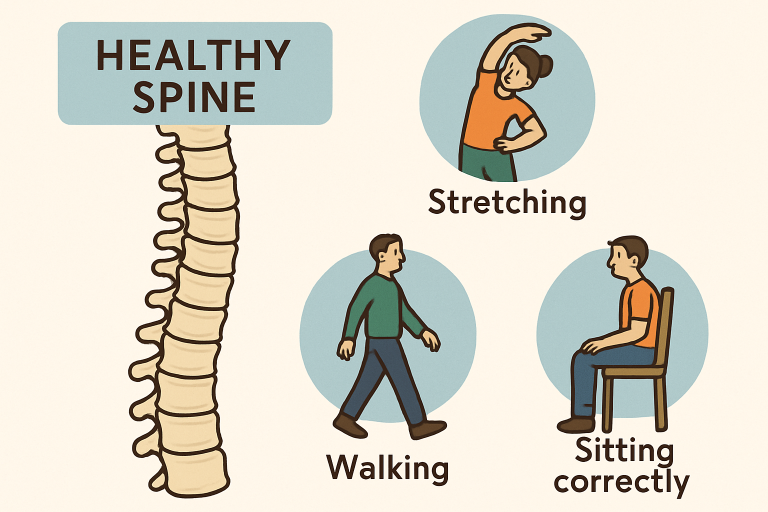
Proper posture is the cornerstone of spinal health. When sitting, your feet should rest flat on the floor, knees bent at a right angle, and back supported by a chair’s lumbar support. Keep your shoulders relaxed and avoid slouching, as both put unnecessary pressure on spinal discs and muscles. Standing posture is equally important: weight should be evenly distributed on both feet, knees slightly bent, and head aligned with your shoulders. This alignment minimizes strain and supports the spine’s natural curvature, an essential step in preventing long-term discomfort and injury.
Simple reminders, like setting a timer to check your posture while working or using a mirror for feedback, can encourage positive habits until they become second nature. Paying attention to posture throughout daily activities, from walking the dog to sitting at your desk, is fundamental to spine care.
Engage in Regular Physical Activity
An active lifestyle is one of the best defenses against back pain and spinal problems. Regular movement strengthens the core and back muscles, stabilizing the spine and reducing the risk of injury. Low-impact exercises such as walking, swimming, or cycling are gentle on the joints but effective for building strength and endurance. Integrating activities like yoga or Pilates improves flexibility and relieves muscle tension, both of which are critical for alleviating back pain and supporting posture over time. According to experts highlighted by Healthline, targeted exercises aimed at the lower back and abdomen play a major role in injury prevention and pain relief.
Maintain a Healthy Weight
Carrying excess weight, especially around the midsection, directly impacts the lumbar region of the spine. This additional pressure can compress discs and joints, increasing the risk of chronic pain or even herniated discs. Managing your weight through a nutrient-dense diet and regular exercise not only reduces spinal stress but also supports overall health and longevity. Small daily choices like taking the stairs, swapping processed snacks for whole foods, or tracking your meals add up to a healthier spine and body.
Stay Hydrated
Water is essential for the health of your spinal discs, which sit between vertebrae and act as shock absorbers for your back. Well-hydrated discs retain their flexibility and cushioning, helping prevent them from becoming brittle and prone to injury or degeneration. Drinking water throughout the day, rather than only when thirsty, supports disc health and overall spinal resilience.
Use Ergonomic Furniture
Whether you work at a desk all day or spend long hours in your car, ergonomic furniture can make a significant difference. Chairs with good lumbar support, adjustable armrests, and seats at the correct height keep your back aligned. Placing desks and monitors at eye level reduces the need to hunch forward. Investing in ergonomic solutions such as standing desks or footrests offers lasting benefits by minimizing repetitive strain and misalignment.
Practice Safe Lifting Techniques
Many back injuries occur from improper lifting. To lift safely, bend at the knees and hips, not your back, while keeping the item close to your body. Engage your core muscles and avoid twisting as you lift. If an object feels too heavy or awkward, ask for help or use a mechanical aid. These techniques distribute the weight more effectively, preventing stress or injury to your spine.
Incorporate Stretching and Flexibility Exercises
Flexibility complements strength for a resilient, pain-free spine. Regular stretching eases muscle tension that can build up from inactivity or repetitive movements, boosting circulation and range of motion. Simple routines such as a daily standing mobility circuit help maintain flexibility and support your back’s natural alignment. Even five to ten minutes a day can yield significant results over time.
Choose Supportive Sleep Positions and Mattresses
The way you sleep can either help or hinder your spinal health. Sleeping on a mattress that’s too soft or too firm can misalign the spine and contribute to soreness or chronic pain. Opt for a medium-firm mattress that supports your natural spinal curves. Side sleepers should place a pillow between their knees to keep their hips balanced, while back sleepers may benefit from a pillow beneath their knees for added lumbar support. Taking time to evaluate your mattress and pillows, as well as sleep positions, is an important but often overlooked element of back care.
Consistently practicing these spinal health strategies helps reduce back pain, improve posture, and support long-term mobility. Making spinal care part of your everyday wellness routine lays the groundwork for a happier, healthier life, no matter your age or activity level.
