

Key Takeaways:
- Early intervention is crucial for enhancing social skills in children with autism.
- Various therapeutic approaches, including technology-assisted methods, have shown promise in improving social interactions.
- Parental involvement and community support play significant roles in the development of social competencies.
Understanding the Importance of Social Skills in Autism
Social interaction plays a central role in daily life, shaping how individuals build relationships, express needs, and navigate community environments. For individuals with autism, developing social skills can be more complex due to differences in communication styles, sensory processing, and social interpretation. These differences may affect eye contact, conversational flow, understanding nonverbal cues, or adapting to social expectations. Recognizing and respecting these challenges is essential, as social skills are not about conformity but about providing tools that support meaningful connection, self-advocacy, and independence across various life settings, including school, work, and family life.
Support for social skill development often focuses on practical strategies, structured practice, and real-world application rather than rigid rules. Approaches grounded in evidence-based practices enable individuals to learn at their own pace, while honoring their personal strengths and preferences. Access to educational resources and community-based information, such as those referenced at https://www.brighterstridesaba.com/locations/indiana/, can provide insight into how social learning is supported within broader developmental frameworks. Ultimately, fostering social understanding contributes to improved confidence, reduced anxiety, and greater participation in everyday experiences, benefiting both autistic individuals and the communities they are part of.
Effective Therapeutic Approaches
A variety of evidence-based therapies have emerged as practical tools for nurturing social skills in children with autism. These approaches acknowledge the diversity of challenges and strive to develop practical strategies for addressing them.
- Applied Behavior Analysis (ABA): This research-backed approach utilizes reinforcement to encourage positive social behaviors through structured programs, such as discrete trial training, which breaks down social tasks into manageable steps for easier learning and comprehension. Natural environment teaching enables children to practice these skills outside the classroom, aiding in generalization.
- Speech and Language Therapy: Communication difficulties can impede social growth. Therapists support children in enhancing their language abilities—both expressing and understanding—and in interpreting nonverbal cues such as eye contact and gestures, which are crucial for successful interactions.
- Occupational Therapy: Sensory sensitivities and fine motor challenges may limit social participation. Occupational therapists utilize sensory integration methods and activities to enhance tolerance to textures, improve hand-eye coordination, and help children feel more at ease in group settings, thereby promoting social and classroom engagement.
The combination of these approaches, tailored to each child’s needs, creates a comprehensive strategy that addresses both the foundational elements of communication and the practice of social interaction. When therapies are integrated and personalized, children are empowered to face diverse social circumstances with greater resilience and independence.
Innovative Technological Interventions
Technology is revolutionizing autism support by offering innovative methods for children to develop social skills. Devices such as socially assistive robots facilitate role-playing, aiding children in learning turn-taking, greetings, and joint attention—skills that typically require repetition and guidance. Robots like NAO are particularly effective in music therapy, as they promote engagement and play. Interactive applications and video modeling allow children to learn at their own pace and revisit lessons, making technology both accessible and adaptable. Wearable devices, such as smart glasses with emotion recognition, provide real-time cues to help children understand facial expressions and respond appropriately. These devices offer immediate, visual feedback, enhancing social confidence. They are invaluable for children who find traditional approaches challenging, providing discreet support that fosters learning in everyday environments. As technology advances and becomes more affordable, these tools have the potential to improve social success for children on the spectrum significantly.
Role of Parents and Caregivers
Involving parents and caregivers brings therapeutic benefits into everyday routines. They serve as advocates and partners, ensuring consistency to improve intervention outcomes. Engaging in structured social activities, such as family meals or playdates, provides children with opportunities to practice social interactions, which helps to lessen anxiety and build confidence. Clear routines, expectations, and positive reinforcement foster a stable environment that promotes learning and the application of social skills across various settings. Activities like reading social stories, practicing conversations, and playing games help reinforce skills and strengthen bonds. Caregivers who stay actively involved can also advocate for their child’s needs with schools and community resources, collaborating with educators for continued support. Open communication between home, school, and therapists allows parents to coordinate approaches, tackle challenges, and recognize achievements.
Community-Based Programs and Extracurricular Activities
Participation in community-based programs provides invaluable real-life practice for socializing. Whether through organized sports, art classes, music groups, or recreational clubs, structured extracurricular activities enable children on the autism spectrum to interact with peers who share similar interests in a supportive context. These activities provide a natural environment for learning about teamwork, leadership, negotiation, and compromise—the essential skills that foster lifelong social and emotional growth. Research from sources like Autism Speaks suggests that involvement in interest-driven clubs and activities can foster meaningful peer relationships and sustained engagement. Community programs also create a sense of belonging, connecting families to valuable local resources and support networks.
Developing Motor Skills to Enhance Social Interaction
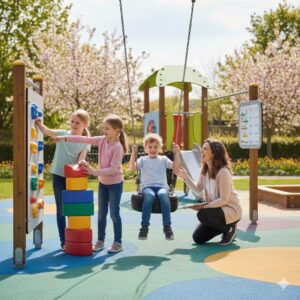
Growing evidence suggests a strong link between strong motor skills and improved social competence. Children who develop coordination, balance, and fine motor skills tend to be more confident in participating in group activities and communicating with others. For example, being able to kick a ball or build with blocks enables a child to participate in playground games and classroom projects, setting the stage for conversations and shared experiences. Integrating physical activities such as playground games, yoga, or dance classes alongside social skills training can therefore support both motor and interpersonal development.
Utilizing Social Narratives
Social narratives are personalized stories designed to teach children how to respond to specific social scenarios or prepare for new experiences. Often accompanied by illustrations, these visual and verbal guides break down complex or unfamiliar events—like joining a birthday party or starting a new school—into manageable steps, reducing anxiety and confusion. Through regular exposure and discussion, children learn vital social scripts, which help them feel more in control and less overwhelmed during social events. Over time, children become more comfortable with social settings, equipped with the tools to initiate conversation, ask for help, or respond to familiar cues.
Conclusion
Nurturing social skills development in children on the autism spectrum requires an integrated, multi-layered approach. Combining early, individualized intervention with innovative technologies, family engagement, hands-on community experiences, physical activity, and targeted social stories can create a robust foundation for growth. These resources empower children to navigate social landscapes with confidence, ensuring greater inclusion, improved communication, and a higher quality of life as they progress. Ultimately, equipping children with these skills not only enhances day-to-day experiences but also sets the stage for future independence and fulfillment.
