

Table of Contents
- Younger Patients Seeking Facelifts
- Rise of Male Cosmetic Procedures
- Integration of Regenerative Medicine
- Combination of Surgical and Non-Surgical Treatments
- Emphasis on Natural-Looking Results
- Advancements in Technology and Techniques
- Importance of Choosing Qualified Surgeons
- Conclusion
Facial rejuvenation surgery continues to advance, offering individuals more refined options to enhance and preserve their youthful appearance. With rapid advances in medical technology and surgical expertise, today’s approach focuses on customized, natural-looking results that address each patient’s unique goals. For those considering updated rejuvenation options or seeking expert care, a board-certified facelift surgeon in Columbus, Ohio specializing in the deep-plane facelift technique can help guide the decision process with the latest advancements in surgical care.
As societal attitudes towards aging and personal well-being evolve, the motivations behind facial rejuvenation are increasingly centered on preventive procedures and ongoing maintenance rather than seeking dramatic transformations. This shift is largely influenced by innovative techniques, greater emphasis on safety and quality, and changing patient self-confidence. Nowadays, individuals pursuing facial rejuvenation expect more subtle enhancements, shorter recovery times, and the availability of both surgical and non-surgical treatment options.
The landscape of facial rejuvenation has transformed significantly over the past decade, with surgeons, patients, and medical researchers contributing to the establishment of new standards for care, safety, and aesthetics. Current trends are steering future practices in facial rejuvenation surgery, emphasizing the need for patients to be well-informed and to collaborate with highly trained specialists. By understanding these trends, individuals can effectively partner with experienced professionals to meet their rejuvenation objectives, ensuring the most successful and personalized outcomes in their transformative journeys.
Younger Patients Seeking Facelifts
An emerging trend in the field is the growing number of younger individuals, often in their mid-30s to early 50s, opting for facelift procedures. Earlier intervention is now seen as a viable way to sustain facial contours, slow down the aging process, and minimize the necessity for more extensive surgery in the future. This shift is reflected in recent data from the American Academy of Facial Plastic and Reconstructive Surgery (AAFPRS), which reports a consistent rise in patients aged 35 to 55 seeking facelift options. Patients in this group often experience milder signs of aging, enabling them to benefit from more subtle, natural enhancements and shorter recovery times.
Rise of Male Cosmetic Procedures
More men are pursuing facial rejuvenation surgery to refine facial harmony while maintaining or boosting their self-assurance. Popular procedures include facelifts, eyelid surgery, and jawline contouring, all tailored to masculine facial structures for age-defying, natural results. Recent years have seen a steady uptick in male clientele, demonstrating a broader acceptance of self-care and aesthetic maintenance for men. Leading industry sources have pointed out that discreet refinements are particularly appealing to male patients, who value results that restore rather than transform their appearance.
Integration of Regenerative Medicine
Regenerative medicine has made significant inroads into facial rejuvenation. Treatments such as platelet-rich plasma (PRP) injections and exosome therapy harness the body’s own cellular mechanisms for healing and renewal. These minimally invasive modalities encourage collagen production, boost tissue regeneration, and improve skin tone and texture. Coupling these treatments with traditional surgical techniques offers a holistic, long-lasting approach to facial aging and underscores the industry’s focus on less invasive, more sustainable rejuvenation options.
Combination of Surgical and Non-Surgical Treatments
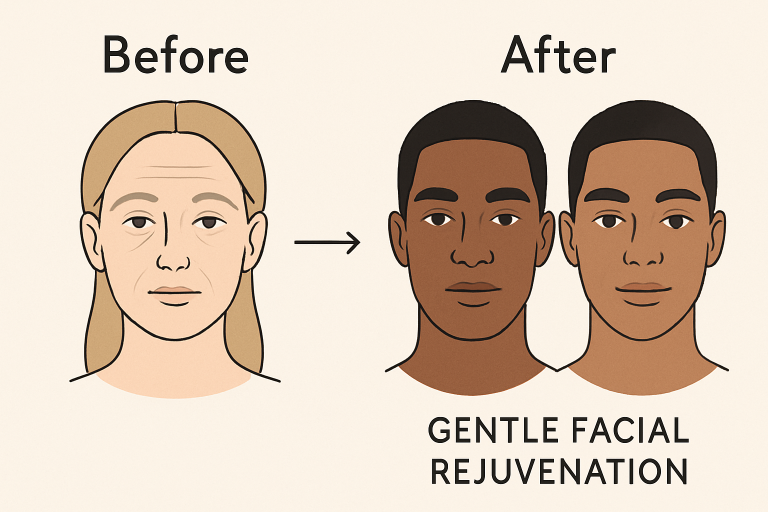
Modern facial rejuvenation involves a strategic combination of surgical approaches and non-surgical enhancements. Many patients find that integrating options like laser resurfacing, radiofrequency treatments, and injectable fillers with traditional surgery yields the most harmonious, noticeable improvements. For example, combining a facelift with skin tightening or textural rejuvenation ensures not only lifted contours but also radiant, youthful skin. The tailored combination of procedures has become a cornerstone of contemporary practice, enabling more precise, individualized outcomes that address multiple concerns simultaneously.
Emphasis on Natural-Looking Results
There is a clear movement toward prioritizing results that look refreshed and authentic. Instead of the overdone appearance that sometimes characterized cosmetic surgery in the past, both patients and surgeons now strive for enhancements that highlight unique features and maintain natural facial expressiveness. This trend aligns with wider societal preferences for authenticity over dramatic change, reinforcing the value of subtlety and balance in facial rejuvenation. Surgeons deploy advanced techniques and nuanced planning so that signs of surgery remain virtually invisible and patients leave looking like their best selves.
Advancements in Technology and Techniques
Technological innovation is a defining force in modern facial rejuvenation. Patient safety, procedural accuracy, and comfort have all improved substantially thanks to advancements such as radiofrequency-based skin tightening and less-invasive surgical methods. These innovations decrease downtime and risk, making rejuvenation accessible to a broader patient population. New imaging and surgical planning tools also allow practitioners to predict and refine outcomes before the procedure, supporting a safer, more tailored experience.
Importance of Choosing Qualified Surgeons
With cosmetic surgery’s popularity on the rise, selecting a board-certified and experienced facial plastic surgeon is absolutely crucial. Only a qualified specialist will deliver treatments suited to an individual’s distinct facial anatomy and goals, ensuring both safety and optimal results. Patients should thoroughly research credentials, ask detailed questions during consultations, and prioritize providers known for outstanding surgical outcomes. Thorough vetting is the best safeguard against unsatisfactory results and can help set realistic expectations for any cosmetic journey.
Conclusion
Facial rejuvenation surgery is in a period of dynamic growth, fueled by changing patient expectations, continuous technical innovation, and a culture of safety and authenticity. Today’s trends underscore an emphasis on natural-looking outcomes, minimally invasive strategies, and comprehensive, personalized care. For those ready to take the next step, understanding these trends will inform decisions and support a positive, rewarding experience tailored to your unique needs and aspirations.
