

The Foundation of Recovery: Essential Non-Negotiables

We all know the feeling after a tough workout or intense competition. Our bodies feel tired, muscles ache, and energy is low. This isn’t just discomfort. It’s our body’s way of signaling that it needs to repair and rebuild.
Effective physical recovery is not an option; it’s a must. It’s just as important as the training itself. Proper recovery helps us perform our best, stay healthy, and avoid injuries. It allows our bodies to adapt and grow stronger.
In this guide, we will explore the many ways to improve your recovery. We’ll start with the basic rules of rest, nutrition, and movement. Then, we will look at modern tools and therapies. Our goal is to help you understand and use these methods. This will help you boost your body’s natural healing process. Understanding and implementing proactive physical recovery methods is key to open uping your full potential.
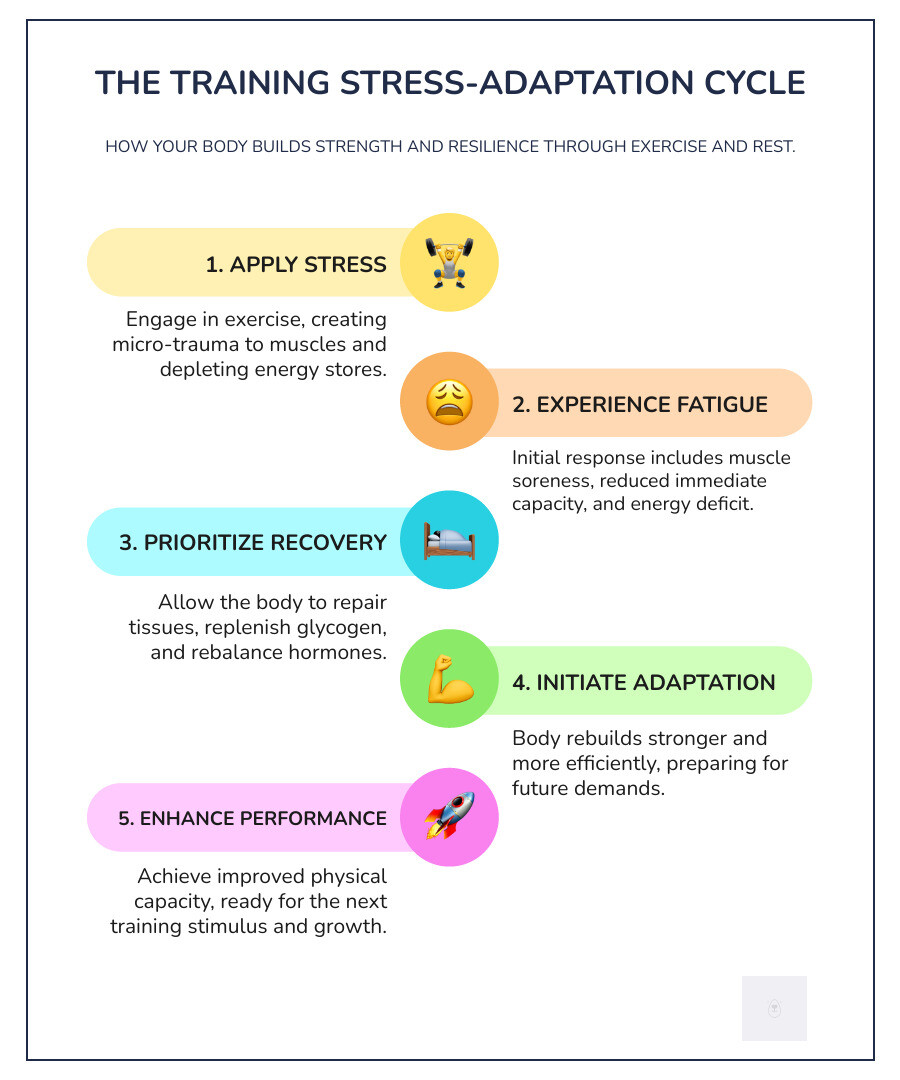
At its core, physical recovery is the process by which the body returns to its pre-exercise state, or ideally, a state of improved capacity. This involves repairing muscle tissue, replenishing energy stores, rebalancing hormones, and normalizing nervous system function. The training stress-adaptation cycle illustrates this perfectly: we apply stress through exercise, the body adapts and grows stronger during recovery, leading to improved performance. Without adequate recovery, this cycle breaks down, leading to stagnation or even regression. The evolution of recovery methods has seen us move from simple rest to a sophisticated array of techniques, all aimed at optimizing this critical phase.
Before diving into advanced techniques, it’s crucial to master the fundamental principles of recovery. These aren’t just “nice-to-haves”; they are the bedrock upon which all other recovery efforts are built. Ignoring these basics makes even the most sophisticated recovery tools less effective. We’re talking about sleep, nutrition, hydration, and the strategic use of active versus passive rest. These elements work synergistically to facilitate muscle repair, hormone regulation, and overall physiological restoration.

Optimizing Sleep for Muscle Repair
Sleep is arguably the most powerful recovery tool at our disposal and a cornerstone of expert athletic recovery, yet it’s often the first thing sacrificed in busy schedules. During sleep, our bodies undertake critical repair processes that simply cannot happen when we’re awake. This includes the release of Human Growth Hormone (HGH), which is essential for muscle repair, tissue growth, and bone building. Sleep also plays a vital role in replenishing glycogen stores, providing the energy needed for future workouts.
Different stages of sleep contribute uniquely to recovery. Deep sleep (NREM stage 3) is when the majority of HGH is released, facilitating physical restoration. REM sleep, on the other hand, is crucial for cognitive function and mental restoration. Disruptions to these cycles can significantly impede recovery and undermine even the most structured training programs.
Poor sleep lifts cortisol levels, a stress hormone that can hinder muscle growth and promote fat storage. Conversely, adequate sleep helps reduce cortisol, allowing the body to enter a more anabolic state conducive to healing. To optimize sleep for muscle repair, expert athletic recovery specialists recommend practicing good sleep hygiene: maintain a consistent sleep schedule, create a dark, cool, and quiet bedroom environment, and limit screen time and caffeine before bed.
For young athletes, sleep is even more critical due to their developing bodies. Experts recommend 8–10 hours of sleep per night for all children. The American Academy of Pediatrics Childhood Sleep Guidelines further specify that children ages 6–12 should get 9–12 hours of sleep, and teenagers 13–18 should aim for 8–10 hours every night. Sleep deprivation in young athletes is linked to decreased performance, adverse hormone balance changes, and an increased risk of injury. Prioritizing quality sleep is non-negotiable for athletes of all ages.
Fueling Your Body: Nutrition and Hydration Strategies
What we put into our bodies directly impacts our ability to recover. Proper nutrition provides the raw materials for muscle repair, energy replenishment, and overall physiological function. Hydration, often overlooked, is equally vital for nutrient transport, waste removal, and joint lubrication.
Immediately after a workout, our bodies enter a “post-workout nutrition window,” a period where they are particularly receptive to nutrients for recovery. Consuming carbohydrates and protein within 30-60 minutes post-workout is crucial. Protein provides the amino acids necessary for repairing exercise-induced muscle micro-tears and stimulating muscle protein synthesis. Aim for 20-30 grams of high-quality protein. Carbohydrates are essential for replenishing glycogen stores, which are the primary energy source for muscles. Without adequate carbohydrate intake, subsequent performance will be compromised.
Beyond the immediate post-workout period, a balanced diet rich in whole foods, lean proteins, healthy fats, and complex carbohydrates is necessary for ongoing recovery and overall health. Specific nutrients like calcium and vitamin D are highlighted for their roles in bone health, which is especially important for young athletes whose growth plates are still developing.
Hydration is critical to ensure the body functions and recovers properly. Dehydration can lead to muscle cramps, reduced performance, and impaired recovery. We recommend a structured approach to fluid intake:
Consistent hydration and a nutrient-dense diet lay the groundwork for optimal recovery, allowing our bodies to adapt, repair, and prepare for the next challenge.
Manual and Movement-Based Physical Recovery Methods
Beyond the fundamental pillars of sleep and nutrition, manual and movement-based techniques play a crucial role in addressing muscle soreness, improving flexibility, and enhancing circulation. These methods directly target the musculoskeletal system, helping to alleviate tension, increase range of motion, and promote blood flow to aid the healing process.

Stretching and Mobility: Dynamic vs. Static Approaches
Stretching and mobility exercises are integral to maintaining healthy, functional movement patterns and preventing injuries. We differentiate between two primary types:
Joint mobility drills are another key component, focusing on improving the movement of individual joints. These drills are crucial for injury prevention, ensuring that joints can move freely and efficiently without undue stress on surrounding tissues. Incorporating both dynamic and static stretching, alongside targeted mobility drills, can significantly contribute to a comprehensive recovery strategy.
The Role of Massage and Self-Myofascial Release
Massage therapy and self-myofascial release (SMR) are popular and effective methods for addressing muscle soreness and promoting relaxation.
Both massage and SMR contribute to psychological relaxation, which is a critical,, aspect of physical recovery. By reducing tension and promoting a sense of well-being, these techniques help the body shift from a stressed state to a restorative one.
Advanced Technologies in Athletic Recovery
As sports science evolves, so do the tools and therapies available for enhancing physical recovery. These advanced modalities leverage technology to accelerate healing, reduce inflammation, and optimize physiological processes, offering a competitive edge to athletes and active individuals alike.
Temperature Therapies: From Ice Baths to Infrared Saunas
Temperature manipulation has long been used in recovery, with modern applications offering targeted and efficient solutions.
Light and Pressure: Exploring Modern Recovery Tools
Beyond temperature, light and pressure therapies offer innovative approaches to accelerate the body’s natural healing processes.
These advanced technologies, when integrated thoughtfully into a comprehensive recovery plan, can provide significant benefits, helping athletes push their limits and recover more effectively.
Preventing Burnout: Recognizing Overtraining and Prioritizing Rest
While pushing our physical limits is essential for progress, there’s a fine line between effective training and detrimental overtraining. Recognizing the signs of overtraining and prioritizing rest, including mental recovery, is crucial for long-term health, performance, and preventing burnout.
Listening to Your Body: Signs and Symptoms of Overtraining
Overtraining syndrome (OTS) occurs when the body is subjected to excessive training loads without adequate recovery. It’s a state of chronic fatigue, decreased performance, and physiological and psychological distress. Studies suggest that overtraining syndrome affects roughly 60% of elite athletes and 30% of non-elite endurance athletes, highlighting its widespread impact.
It’s vital to listen to your body and recognize the warning signs:
Ignoring these signs can lead to serious consequences, including increased injury risk, hormonal imbalances, and mental burnout, ultimately derailing athletic progress and overall well-being.
Creating a Personalized Recovery Plan
Effective recovery is rarely a one-size-fits-all solution; it must be custom to individual needs, sport-specific demands, and developmental stages.
A personalized recovery plan is a dynamic strategy that evolves with the athlete’s training phases, life demands, and physical responses, ensuring optimal health and performance.
Frequently Asked Questions about Physical Recovery
What is the single most effective physical recovery method?
There is no single “best” method; recovery is multifactorial. Foundational pillars like adequate sleep and proper nutrition are non-negotiable and provide the most benefit. Other techniques like massage or cryotherapy are supplementary and their effectiveness varies by individual. Consistent adherence to these basics will always yield greater results than inconsistent use of advanced tools.
How long should you rest between workouts?
Rest duration depends on workout intensity, muscle groups worked, and individual fitness level. A general guideline is to allow 24-48 hours of recovery for a specific muscle group after intense strength training. For high-intensity exercise, a full rest day is recommended every 7-10 days. Active recovery, such as light cardio or stretching, can be incorporated on “rest” days to promote blood flow and reduce soreness without adding significant stress.
Are expensive recovery tools necessary for good results?
No. While tools like compression boots and red light therapy devices can offer benefits, they are not essential for effective recovery. Consistently prioritizing foundational habits—sleep, nutrition, hydration, and active recovery—will always be more impactful than inconsistent use of expensive gadgets. These tools are best viewed as improvements to an already solid recovery routine, not replacements for the basics.
Conclusion
Physical recovery is not merely the absence of training; it is an active and integral component of any successful athletic endeavor. From the foundational non-negotiables of sleep, nutrition, and hydration to the targeted benefits of manual therapies and advanced technologies, a multi-faceted approach to recovery is paramount. We’ve explored how optimizing sleep facilitates muscle repair, how strategic nutrition fuels the body, and how techniques like stretching, massage, cryotherapy, and photobiomodulation can accelerate healing and reduce inflammation.
Crucially, we’ve emphasized the importance of preventing burnout by recognizing the signs of overtraining and prioritizing both physical and mental rest. Creating a personalized recovery plan that considers sport-specific demands, age, and individual responses is key to long-term health and performance.
By listening to your body, embracing a holistic view of recovery, and consistently investing in these practices, you can open up your full potential, minimize injury risk, and ensure a sustainable, high-performing journey in your chosen activity. The effort you put into recovery is just as valuable as the effort you put into training.
