

The Decision to Pursue Plastic Surgery
When we consider plastic surgery, we are making a significant decision. We are entrusting our appearance, our well-being, and our safety to a medical professional. This choice is critical because its effects can last a lifetime. Finding the right surgeon is therefore essential for a safe and satisfying experience.
This extensive guide is designed to help you steer this critical process. We will explore key distinctions, such as the difference between a plastic surgeon and a cosmetic surgeon. We will explain why board certification is the gold standard for qualification. You will learn how to verify a surgeon’s credentials, assess their artistic vision, and understand the importance of an accredited surgical facility. Our goal is to equip you with the knowledge necessary to select a board-certified plastic surgeon with confidence.

The popularity of plastic surgery continues to grow, with almost 18 million individuals undergoing cosmetic procedures in the United States in 2018 alone. This widespread interest underscores the importance of informed decision-making and prioritizing patient safety above all else. Achieving your aesthetic goals safely and effectively begins with selecting the right professional.
To make this crucial decision, we recommend a methodical approach, moving from initial research to a final, confident choice.
The Critical First Step: Verifying Credentials and Training
Starting on your plastic surgery journey requires a foundational understanding of who is qualified to perform your desired procedure. This first step is arguably the most critical, as it lays the groundwork for your safety and the quality of your results. We must dig into the nuances of medical titles and certifications to ensure we make an informed choice.
Plastic Surgeon vs. Cosmetic Surgeon: What’s the Real Difference?
One of the most common sources of confusion for prospective patients is the distinction between a “plastic surgeon” and a “cosmetic surgeon.” While these terms are often used interchangeably by the public, their underlying training and qualifications can be vastly different.
A plastic surgeon is a medical doctor who has completed extensive training in plastic surgery. This specialty encompasses both reconstructive surgery (restoring form and function after trauma, disease, or birth defects) and aesthetic (cosmetic) surgery (enhancing appearance). The term “plastic” derives from the Greek word “plastikos,” meaning to mold or shape, reflecting the comprehensive nature of their work. Their training focuses on a broad range of surgical skills across the entire body, from head to toe.
In contrast, the term “cosmetic surgeon” can be used by any licensed physician, regardless of whether they have completed a surgical residency or specialized training in cosmetic procedures. This means a doctor with a background in, say, internal medicine, gynecology, or general surgery, could legally call themselves a “cosmetic surgeon” after attending a few weekend courses or short training programs. While some cosmetic surgeons may pursue additional, non-accredited training, the lack of standardized, rigorous requirements for the title “cosmetic surgeon” can be misleading. This variability in training means that a “cosmetic surgeon” might not possess the comprehensive surgical skills or deep understanding of anatomy and physiology that a board-certified plastic surgeon does.
The key takeaway here is that while all plastic surgeons perform cosmetic surgery, not all cosmetic surgeons are plastic surgeons. The difference lies in the breadth and depth of their accredited training.
The Gold Standard: Why Board Certification in Plastic Surgery Matters
Understanding board certification is paramount when choosing a surgeon. Many doctors are “board-certified,” but this doesn’t automatically mean they are certified in plastic surgery. Board certification is typically associated with a specific area of medicine, indicating that a doctor has met rigorous training and examination standards set by a recognized board. For example, an OB/GYN is certified by the American Board of Obstetrics and Gynecology, and an internal medicine doctor by the American Board of Internal Medicine.
For plastic surgery, the gold standard is certification by the American Board of Plastic Surgery (ABPS). This board is one of the 24 specialty boards recognized by the American Board of Medical Specialties (ABMS). The ABMS is a non-profit organization that assists its Member Boards in the development and use of standards for the evaluation and certification of physician specialists. When a surgeon is board-certified by the ABPS, it signifies that they have:
- Graduated from an accredited medical school.
- Completed a minimum of six years of surgical training post-medical school, with at least three years specifically dedicated to plastic surgery residency training.
- Passed comprehensive written and oral examinations demonstrating their knowledge, experience, and judgment in plastic surgery.
- Adhere to a strict code of ethics.
- Commit to ongoing education and re-certification (Maintenance of Certification) to stay current with advancements in the field.
This rigorous process ensures a high level of expertise, ethical practice, and a commitment to patient safety. There is no ABMS-recognized certifying board with “cosmetic surgery” in its name. Any claims of “board certification in cosmetic surgery” typically refer to boards not recognized by the ABMS, which may have significantly less stringent training and examination requirements. This distinction is crucial for your safety and the quality of your surgical outcome.
Feature ABPS-Certified Plastic Surgeon Non-Certified “Cosmetic Surgeon”
Accredited Training: Minimum 6 years of surgical residency, 3+ years specifically in plastic surgery. Variable; may have completed residency in another field (e.g., general surgery, ENT, ophthalmology, internal medicine) or minimal cosmetic training.
Scope of Practice: Comprehensive training in both reconstructive and aesthetic surgery for the entire body. Focus often limited to specific cosmetic procedures, potentially without a broad surgical foundation.
Board Recognition Certified by the American Board of Plastic Surgery (ABPS), recognized by the American Board of Medical Specialties (ABMS). Certified by boards not recognized by ABMS; standards vary widely and may not require extensive surgical training.
Patient Safety adheres to strict ABPS standards for safety, ethics, and continuing education. Safety standards and ethical guidelines can vary significantly.
How to Verify a Surgeon’s Credentials and Experience
With a clear understanding of what to look for, the next step is to verify a surgeon’s credentials actively. This due diligence is essential for your peace of mind.
- Check ABPS Certification: The most direct way to verify board certification is through the official website of the American Board of Plastic Surgery. They offer a searchable database to confirm a surgeon’s status.
- Use Professional Organization Tools: The American Society of Plastic Surgeons (ASPS) provides a valuable resource called the ASPS Find a Surgeon tool. This tool allows you to locate board-certified plastic surgeons in your area who are also members of the ASPS, ensuring they meet additional membership criteria for ethics and continuing education.
- Consult State Medical Boards: Every state has a medical board responsible for licensing physicians and investigating complaints. Their websites often provide information on a doctor’s license status, disciplinary actions, and sometimes educational background.
- Inquire About Hospital Privileges: A qualified plastic surgeon should have admitting and surgical privileges at accredited hospitals for the procedures they perform. This indicates that a hospital’s medical staff has vetted their credentials and surgical skills. We believe that choosing experienced surgeons with a proven track record is a non-negotiable step for ensuring your safety and achieving the results you desire.
Understanding a Plastic Surgeon’s Extensive Training
The journey to becoming a board-certified plastic surgeon is long and arduous, designed to ensure a high level of expertise and safety. By the time a plastic surgeon starts their career, they have already completed six to ten years of focused plastic surgical training over the course of 25,000 to 35,000 hours, under the direct supervision of a cohort of senior surgeons.
This extensive training typically involves:
- Medical School: Four years of medical education leading to an M.D. or D.O. degree.
- General Surgery Residency: Often, a foundational residency in general surgery (typically 3-5 years) provides a broad surgical skill set.
- Plastic Surgery Residency: A dedicated residency program in plastic surgery (typically 3-6 years), focusing exclusively on reconstructive and aesthetic techniques across all body areas. The training requirements are comprehensive and demanding.
- Fellowships: Many plastic surgeons pursue additional fellowship training (1-2 years) in highly specialized areas, such as craniofacial surgery, hand surgery, or aesthetic surgery, further refining their expertise.
This rigorous, supervised practice instills not only technical proficiency but also critical judgment, problem-solving skills, and a deep understanding of patient safety. It’s a commitment to lifelong learning, ensuring that patients receive care from professionals at the forefront of surgical innovation and best practices.
Evaluating Skill, Style, and Specialization
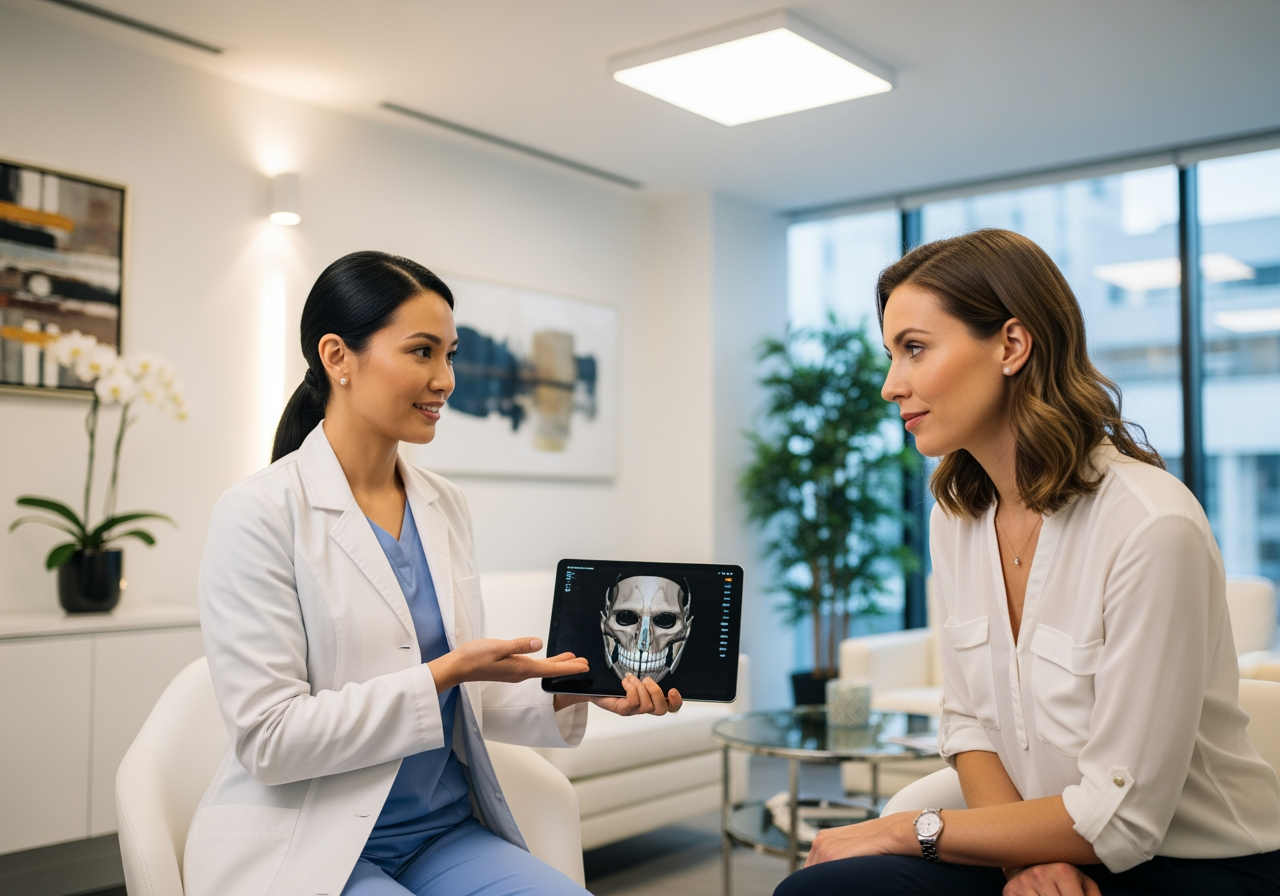
Beyond verifying credentials, selecting the right plastic surgeon involves evaluating their artistic vision and technical expertise. Plastic surgery is often described as an art form, requiring a keen eye for aesthetics, balance, and natural-looking results. Your surgeon’s “style” should align with your personal aesthetic goals.
How to Assess a Surgeon’s Aesthetic Sense
A surgeon’s aesthetic sense is their artistic judgment and approach to surgical outcomes. It’s how they envision and achieve beauty. To assess this, we recommend:
- Reviewing Photo Galleries: Examine the surgeons’ before-and-after photo galleries critically. Do the results look natural? Do they appear harmonious with the patient’s overall features? Are there consistent results that you find appealing?
- Consistency in Results: A surgeon with a strong aesthetic sense consistently demonstrates results that are uniform across many patients. Look for a signature style that resonates with your own preferences.
- Matching Your Style: Some surgeons prefer more dramatic changes, while others aim for subtle improvements. Consider whether their typical outcomes align with your desired look. For example, if you seek a subtle improvement, a surgeon known for theatrical results might not be the best fit.
- Consider Diverse Patient Examples: Pay attention to how they handle different facial structures, body types, and desired outcomes. A versatile surgeon can tailor their approach to individual needs.
Critically Reviewing Before-and-After Photos
Before-and-after photos are invaluable tools, but they require scrutiny. They offer a visual representation of a surgeon’s skill and aesthetic.
- Look for Similar Patients: Seek out photos of patients who have a similar starting point to yours – such as a similar age, body type, skin quality, or facial features. This helps you gauge what kind of results you might achieve.
- High-Quality Photos: Ensure the photos are clear, well-lit, and taken from consistent angles. Be wary of heavily edited or poorly presented images.
- Multiple Angles: Good galleries will show results from various angles (front, side, oblique) to provide a comprehensive view.
- Scar Visibility: Pay attention to the visibility and placement of scars. A skilled surgeon aims to minimize and conceal scars effectively.
- Consistency Across Procedures: Look for a pattern of consistently good results, not just one or two standout cases. A board-certified plastic surgeon Dr. Okoro will have an extensive gallery showcasing their work on a diverse range of patients, allowing you to evaluate their aesthetic and technical abilities thoroughly.
Why a Surgeon’s Specialization is Key to Your Results
While board-certified plastic surgeons are trained in a wide array of procedures, many develop particular specializations over their careers. This procedural focus can be a significant advantage.
- High Volume of Cases: A surgeon who frequently performs a specific procedure (e.g., a Rhinoplasty specialist or an expert in Breast augmentation) often possesses a deeper level of experience and refined techniques for that particular operation. This can lead to more predictable and superior outcomes.
- Complex Reconstructions: For highly specialized procedures, such as Mastectomy reconstruction, choosing a surgeon with experience in that specific area is paramount. Their expertise in complex cases can make a significant difference in both functional and aesthetic results.
- Subtle Nuances: Specialization enables a surgeon to master the subtle nuances and potential challenges inherent to a procedure, resulting in more customized and natural-looking results. Always ask about a surgeon’s experience with the specific procedure you are considering.
The Consultation: Your Guide to Choosing a Plastic Surgeon
Once you’ve narrowed down your choices based on credentials, training, and aesthetic alignment, the consultation becomes your most powerful tool for making informed decisions. This is your opportunity to connect with the surgeon, assess their communication style, and evaluate the overall practice environment. The patient-surgeon relationship is a partnership built on trust and open communication.

Key Questions to Ask Your Potential Surgeon
A thorough consultation should be a two-way street, with the surgeon asking about your medical history and goals, and you asking pertinent questions to inform your decision. Here are some essential questions we recommend asking:
- “What is your specific experience with this procedure?” Ask about the number of times they’ve performed it, their preferred techniques, and their success rates.
- “What results can I realistically expect, and what are the limitations?” A good surgeon will provide honest, straightforward guidance and manage your expectations.
- “What are the potential risks and complications associated with this surgery, and how do you manage them?” Every surgery carries risks; transparency is key.
- “Where will the surgery be performed, and is the facility accredited?” This is crucial for safety (more on this below).
- “What is the recovery process like, and what kind of aftercare will be necessary?” Understand the timeline, restrictions, and support you’ll need.
- “Can I see more before-and-after photos, especially of patients with similar characteristics to mine?” This reinforces your assessment of their aesthetic.
- “What is the total cost, and what does it include (surgeon’s fee, anesthesia, facility, follow-up care)?” Get a clear breakdown to avoid hidden fees.
- “What is your policy regarding revisions or touch-ups if I’m not satisfied with the outcome?” Understanding this upfront is essential.
Evaluating the Surgeon’s Staff and Office Environment
Your experience with a plastic surgery practice extends beyond the surgeon. The staff and office environment play a significant role in your overall comfort and confidence.
- Professionalism and Friendliness: Are the staff members professional, welcoming, and knowledgeable? Do they make you feel at ease?
- Helpfulness and Responsiveness: Do they efficiently answer your questions, provide necessary information, and respond promptly to inquiries?
- Overall Atmosphere: Does the office feel clean, organized, and comfortable? A well-run office often reflects a well-run surgical practice.
- Resources: Some practices offer resources, such as a Virtual Office Tour, to help you familiarize yourself with their facility before your visit. This can be a good indicator of their commitment to patient comfort and transparency.
The Importance of Comfort and Trust in choosing a plastic surgeon
Choosing a plastic surgeon is a profoundly personal decision. Beyond all the objective criteria, your gut feeling and sense of trust are paramount. We must feel heard, understood, and respected by our surgeon.
- Rapport with the Surgeon: Do you feel a genuine connection? Can you openly discuss your fears, concerns, and aesthetic desires without feeling judged?
- Feeling Heard: A good surgeon will actively listen to your goals, ask clarifying questions, and ensure they understand your vision.
- Honest Feedback: Trust means the surgeon will give you honest, realistic feedback, even if it means telling you that a particular procedure isn’t correct for you or that your expectations are unattainable.
- Long-Term Relationship: Plastic surgery often requires follow-up appointments and may involve future procedures. You want a surgeon with whom you can build a lasting, trusting relationship. As the American Society of Plastic Surgeons advises, choose a surgeon you can trust – someone who instills confidence and peace of mind.
Prioritizing Safety and Understanding the Full Picture
Patient safety is non-negotiable in plastic surgery. This means not only choosing a highly qualified surgeon but also ensuring that the environment in which your surgery takes place meets the highest safety standards. Furthermore, a comprehensive understanding of potential risks and costs is crucial for making a well-informed decision.
The Importance of an Accredited Surgical Facility
The facility where your procedure is performed is as important as the surgeon performing it. We strongly recommend choosing a surgeon who operates in an accredited surgical facility.
- Patient Safety: Accredited facilities adhere to stringent safety protocols, equipment standards, and staffing requirements designed to minimize risks and handle emergencies.
- Accreditation Bodies: Look for facilities accredited by recognized organizations such as the Accreditation Association for Ambulatory Health Care (AAAHC), the American Association for Accreditation of Ambulatory Surgery Facilities (AAAASF), or The Joint Commission. These bodies conduct rigorous inspections and ensure compliance with national safety benchmarks.
- Low Complication Rates: Statistics show the profound impact of accreditation. Accredited facilities are required to have fewer than 0.5% of serious complications and an extremely low mortality rate of less than one in 57,000. This data highlights the crucial role of facility accreditation in ensuring your health is safeguarded.
How to Use Patient Reviews and Testimonials Wisely
Patient reviews and testimonials can offer valuable insights into a surgeon’s practice, but they should be approached with a critical eye.
- Look for Patterns: Don’t base your decision on a single review. Look for consistent themes regarding the surgeon’s communication, results, staff professionalism, and post-operative care.
- Detailed Experiences: Reviews that offer specific details about the patient’s journey, rather than vague praise or criticism, tend to be more helpful.
- Balanced Perspectives: Understand that not every patient will have a perfect experience. A few negative reviews amidst many positive ones might be regular, but a pattern of serious complaints is a red flag.
- Qualifications vs. Social Media: Qualifications are paramount. Research indicates that the surgeon’s qualifications are the most influential factor in choosing an aesthetic surgeon (39.9%), followed by advice from friends and relatives (24%), and the hospital/clinic environment (10.2%). The number of social media followers, by contrast, was the least favorable factor (0.8%). While social media can offer a glimpse into a practice, it should never overshadow verifiable credentials and certifications. Many practices, like ours, also provide curated Testimonials directly from patients, offering another perspective.
A Good Surgeon’s Approach to Risks and Complications
A responsible plastic surgeon will always engage in a thorough discussion about the potential risks and complications associated with your chosen procedure. This is a cornerstone of informed consent.
- Transparent Discussion: We expect our surgeon to clearly explain all possible adverse outcomes, regardless of their rarity, and how they plan to mitigate them. This includes discussing common side effects, potential surgical complications, and what to expect during the recovery period.
- Understanding Risks / Benefits: A good surgeon will ensure you fully understand the balance between the potential benefits of the surgery and its inherent risks.
- Complication Management Plan: Determine the steps to be taken if a complication were to arise. A prepared surgeon will have clear protocols in place.
- Post-Operative Care: Detailed instructions for post-operative care are crucial for minimizing complications and ensuring proper healing.
Balancing Cost vs. Quality in your decision for choosing a plastic surgeon
Cost is undeniably a factor for most patients, but it should never be the primary determinant when selecting a plastic surgeon.
- Bargain Shopping Risks: Opting for the lowest price can sometimes mean compromising on surgeon qualifications, facility safety, or quality of care. The potential for suboptimal results or complications can lead to costly revisions and significant emotional distress.
- All-Inclusive Quotes: Ensure you receive a comprehensive, all-inclusive quote that covers the surgeon’s fee, anesthesia fee, facility fee, and any necessary follow-up appointments. Hidden costs can quickly add up.
- Prioritizing Safety Over Cost: Your health and safety are priceless. Investing in a highly qualified, board-certified plastic surgeon who operates in an accredited facility is an investment in your well-being and the likelihood of achieving satisfactory, safe results. Consider payment plans or financing options if needed, but never compromise on quality for a lower price.
Frequently Asked Questions about Choosing a Plastic Surgeon
What is the single most crucial factor when choosing a surgeon?
The single most crucial factor is board certification by the American Board of Plastic Surgery (ABPS). This ensures the surgeon has undergone rigorous, verifiable training and demonstrated expertise specifically in plastic and reconstructive surgery. Beyond this, their experience with your specific procedure is crucial.
Can any licensed doctor perform cosmetic surgery?
Legally, yes, any licensed medical doctor is permitted to perform cosmetic surgery. However, this does not mean they have the specialized training or expertise required for safe and effective outcomes. Only surgeons certified by the ABPS have completed the required, rigorous training specifically in plastic and reconstructive surgery, ensuring a high standard of care and expertise that goes beyond basic medical licensure.
Where can I verify if my surgeon is board-certified in plastic surgery?
You can verify a surgeon’s board certification directly through the official website of the American Board of Plastic Surgery. Additionally, the American Society of Plastic Surgeons (ASPS) offers a “Find a Surgeon” tool on its website, which lists board-certified members. You can also check with your state medical board for licensing information and any disciplinary actions taken against them.
