

Table of Contents
- Introduction
- Flexibility and Convenience
- Cost-Effectiveness
- Access to Quality Education
- Personalized Learning Experience
- Networking Opportunities
- Career Advancement Opportunities
- Conclusion
Introduction
In today’s ever-changing healthcare landscape, becoming a Family Nurse Practitioner (FNP) can empower nurses to play pivotal roles in patient care while enjoying greater autonomy and responsibility. The path to this advanced practice role often passes through a Master of Science in Nursing (MSN) program, and more nurses are choosing the convenient, flexible online education route. For registered nurses in Arkansas and beyond, options like nurse practitioner school Arkansas make it easier than ever to advance their careers without putting their lives on hold.
Online MSN programs tailored for aspiring FNPs allow nurses to pursue graduate education alongside their professional and personal commitments. This modern approach to furthering education ensures that motivated RNs can deepen their knowledge and expand their opportunities while continuing to provide high-quality care in their communities.
Flexibility and Convenience
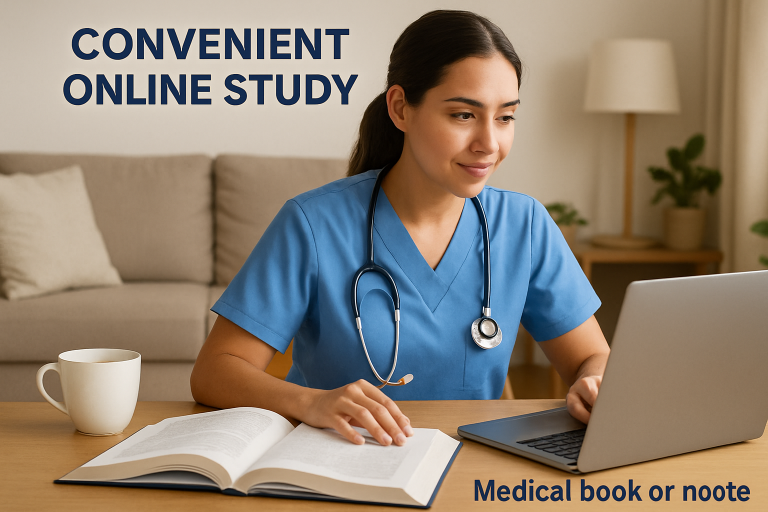
One of the most significant advantages of online MSN programs is the flexibility inherent in them. Unlike traditional classroom-based education, online programs are often asynchronous, allowing students to access lectures, assignments, and discussion boards at times that fit their hectic schedules. This flexibility is crucial for working nurses, who work variable shifts or have family obligations. Their ability to participate in coursework from anywhere reduces the stress associated with rigid schedules and long commutes, making advanced education realistic and manageable.
According to an article by Johns Hopkins School of Nursing, online nursing students value the self-paced learning and the option to fit studies around family and work demands. This adaptability makes graduate school achievable for various individuals, regardless of their circumstances.
Cost-Effectiveness
Pursuing an MSN degree online can also provide significant cost savings. While tuition rates for online and on-campus programs may be comparable, online students typically save on the ancillary expenses of in-person education. These include transportation, parking, housing, and printed textbooks, as many online courses rely on digital resources. Additionally, being able to work while studying helps nurses avoid potential income losses during their education.
Access to Quality Education
Enrolling in an online MSN program does not mean sacrificing the quality of education. Many top-ranked universities like Arkansas State University have established robust online FNP programs, taught by credentialed faculty and designed to mirror the rigor and engagement of their campus-based counterparts. These programs frequently use cutting-edge technology, interactive case studies, and virtual simulations to foster critical thinking and clinical decision-making skills among future nurse practitioners.
High-quality online programs often require students to fulfill clinical rotations in their local communities, ensuring that hands-on experience remains central to their education. Prospective students can verify program credibility by reviewing accreditation status through organizations like the American Association of Colleges of Nursing (AACN).
Personalized Learning Experience
Another distinguishing benefit of online MSN programs is the personalized learning approach they offer. Students can engage with course content at their own pace, revisiting challenging topics and lectures multiple times to solidify understanding. This self-directed learning style often leads to improved retention and mastery of material. Furthermore, online programs provide virtual office hours, online tutoring, and mental health support, helping students overcome obstacles and stay on track academically and personally.
Networking Opportunities
Online education is no longer synonymous with isolation. Modern online MSN programs immerse students in dynamic virtual communities, collaborating on projects, participating in discussion forums, and exchanging ideas with classmates nationwide. These diverse perspectives enrich learning and foster invaluable professional relationships throughout one’s career. Additionally, clinical placements in local healthcare environments offer opportunities to network with experienced nurse practitioners and physicians, enhancing mentorship possibilities and supportive guidance.
Career Advancement Opportunities
The U.S. Bureau of Labor Statistics projects strong growth for nurse practitioners, particularly in primary care settings. With an online MSN tailored for FNP practice, graduates qualify for advanced roles in patient assessment, diagnosis, treatment, and health education. Family Nurse Practitioners frequently provide care across the lifespan, specializing in populations such as pediatrics, geriatrics, or women’s health. The flexibility to focus on areas of interest, coupled with the ability to deliver primary care, opens doors for career progression and increased earnings.
Moreover, graduates of online FNP programs often serve in underserved rural or urban communities, helping bridge critical gaps in healthcare access and quality. By doing so, they not only advance personally but also make significant contributions to public well-being.
Conclusion
Choosing an online MS in Nursing to become a Family Nurse Practitioner is a forward-thinking, practical decision for today’s nurses. It combines high-quality education, flexibility, affordability, and invaluable networking designed to nurture capable, confident FNPs. As the demand for skilled primary care providers continues to climb, the door is wide open for nurses ready to take the next step in their careers and help shape the future of healthcare.
