

Table of Contents
- Intraoperative Imaging Enhancements
- Robotic-Assisted Nipple-Sparing Mastectomies
- Personalized Breast Cancer Screening
- Advancements in Pain Management
- Innovations in Breast Reconstruction Techniques
- Empowering Patient Choice: The ‘Going Flat’ Movement
- Future Directions in Breast Surgery
Key Takeaways
- Innovations like the LumiSystem enable real-time detection of residual cancer during surgery, significantly lowering reoperation rates and improving patient outcomes.
- Minimally invasive, robotic-assisted nipple-sparing mastectomies improve nerve preservation and cosmetic outcomes, helping patients maintain sensation and appearance.
- Individualized, risk-based breast cancer screening is proving to be as effective as traditional annual mammograms, minimizing unnecessary interventions and focusing resources more efficiently.
- Advancements in pain management, such as long-acting nerve blocks, significantly improve post-surgical comfort while reducing opioid use, allowing for smoother recoveries and better quality of life in the days following surgery.
Breast surgery is undergoing a transformative era, fueled by rapid technological progress and innovative clinical approaches. Recent breakthroughs have enabled patients to receive safer, more precise, and less invasive procedures, while prioritizing faster recovery and improved quality of life. These new advancements not only amplify the potential for full cancer removal but also support tailored cosmetic outcomes and overall wellness. Patients considering breast surgery now have a broader range of treatment options that suit their unique situations, facilitating a new standard in patient-centered care. Many individuals today no longer need to choose between thorough cancer removal and minimizing visible scarring, thanks to innovations that combine oncologic safety with aesthetically pleasing results. For those seeking state-of-the-art surgical solutions, OC Breast Surgery offers access to the latest advancements and compassionate expertise in the field. Their skilled team stays abreast of current trends and customizes each patient’s plan, ensuring a care experience that is both supportive and leading-edge.
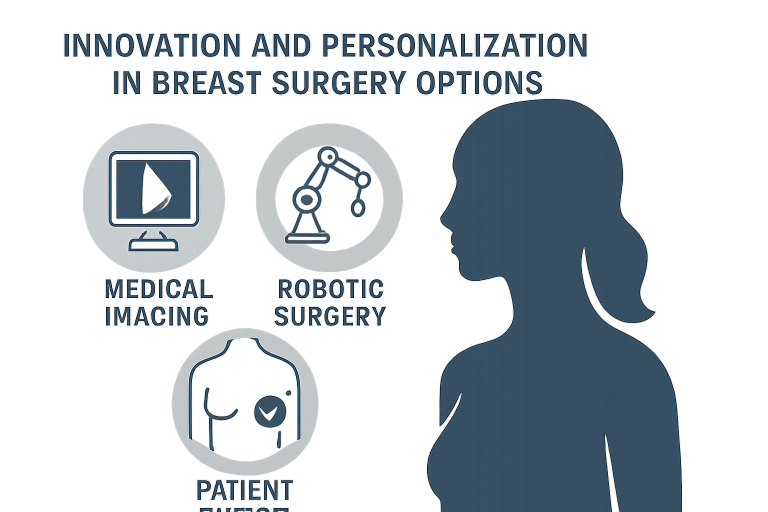
From cutting-edge imaging technologies that refine cancer removal to robotic-assisted techniques that optimize surgical results, the field has advanced well beyond conventional treatment methods. These improvements not only enhance medical outcomes but also empower patients through better choices, superior aesthetics, and improved emotional well-being. Many modern techniques use small incisions, specialized dye and camera systems, and robotic-assistance, all of which were once considered futuristic but are now becoming routine at some leading centers. This means more patients qualify for less invasive treatments and experience fewer side effects than with older approaches. In addition, advances in reconstruction and nerve-sparing procedures are helping address patient concerns about sensitivity and sexual wellness, further expanding the scope of what’s possible.
With the push for tailored approaches, risk-based cancer screening, and tools to reduce pain and complications, breast surgery continues to evolve toward maximizing both safety and satisfaction. No longer is a one-size-fits-all approach the norm; patients’ genetic profiles, risk tolerance, lifestyle, and personal cosmetic goals all play a role in shaping their individual care plan. The movement toward personalization, along with fresh perspectives on reconstruction and patient autonomy, showcases a landscape where medicine and empathy converge. This trend is not just about new devices and procedures, but about fundamentally changing how clinicians and patients work together, prioritizing shared decision-making at every step.
Intraoperative Imaging Enhancements
Intraoperative imaging, especially systems like the LumiSystem, has become a game-changer in breast cancer surgery. This technology uses fluorescent dyes to visually highlight residual cancer cells during surgery, enabling the surgeon to excise malignant tissue in a single procedure fully. The concept is simple yet revolutionary: with specialized imaging equipment, cancerous tissues can literally “light up,” offering a real-time roadmap for the surgical team. With studies showing a reduction in repeat surgeries—including one Stanford study that found residual cancer in about 14.5% of cases with involved margins—these advances are raising standards for both safety and effectiveness. As a result, patients experience fewer complications, less emotional distress from uncertainty, and a faster return to daily life. Intraoperative imaging is now considered one of the best strategies to address the challenge of incomplete tumor removal, contributing to greater peace of mind and better long-term outcomes.
Robotic-Assisted Nipple-Sparing Mastectomies
Robotic-assisted breast surgery techniques, such as the single-port nipple-sparing mastectomy, offer unparalleled precision. Surgeons benefit from enhanced visualization and dexterity, preserving critical nerves to retain sensation and optimize cosmetic results. High-definition cameras and miniaturized surgical instruments allow for incredibly delicate tissue handling, far surpassing what’s possible with the human hand alone. Research at Duke Health has documented improvements, including faster healing, superior sexual function, and enhanced patient satisfaction. Smaller incisions not only reduce blood loss and infection risks but also produce less prominent scarring, which is especially important for patient self-esteem. This approach is especially relevant for women seeking more natural outcomes, as it reduces visible scarring and supports overall well-being. Many candidates for these techniques report feeling more like themselves post-op, with better emotional adjustment and less anxiety about altered appearance.
Personalized Breast Cancer Screening
Traditional mammogram guidelines are evolving thanks to extensive studies, such as WISDOM, which support risk-based breast cancer screening. Instead of relying solely on annual mammography, this approach incorporates genetic, family, and personal risk profiles to tailor screening schedules, aligning closely with CDC evidence-based recommendations. By using genetic testing and family history, doctors can more precisely predict who is at the most significant risk, which tests are needed, and when they should occur. Studies demonstrate that risk-based screening maintains high detection rates while reducing unnecessary procedures, providing a balanced, efficient pathway for early cancer detection. With this model, low-risk individuals avoid excess radiation and anxiety from false positives, while high-risk women receive the vigilant attention they need. Making screening more personal maximizes benefits and reduces harm, ensuring each patient receives the right level of care at the ideal time.
Advancements in Pain Management
Modern pain management in breast surgery has moved away from heavy opioid use toward more targeted solutions. Long-acting nerve blocks, administered during surgery, provide substantial pain relief and minimize the need for narcotic medications postoperatively. These specialized anesthetic injections can offer numbing effects for several days, substantially reducing pain and lowering the risk of addiction. These techniques can decrease discomfort by 50–70% compared to older methods, supporting quicker, more comfortable recoveries and reducing opioid dependency risks. The reduced reliance on opioids also leads to fewer side effects like nausea, drowsiness, and constipation, allowing patients to participate sooner in physical therapy, daily activities, and emotional healing. By focusing on effective pain relief without heavy drugs, modern breast surgery embraces safety and recovery in every stage.
Innovations in Breast Reconstruction Techniques
Breast reconstruction has entered a new phase with the adoption of 3D-printed custom molds and individualized tissue shaping. These tools help surgeons recreate a breast that fits each patient’s body and lifestyle, providing greater satisfaction and supporting emotional recovery after mastectomy. Research has increasingly highlighted the psychological benefits of reconstruction, including improvements in body image and quality of life, as discussed in Medical News Today, which provides an overview of post-mastectomy outcomes and recovery. Through 3D planning, surgeons can achieve more symmetrical results, while newer biologic materials encourage natural tissue integration. This personalized approach improves mental health outcomes and helps survivors adjust, ensuring their post-cancer bodies align with their own sense of identity. The blending of science and artistry in reconstruction empowers patients to make informed decisions that restore not only appearance but also self-esteem, dignity, and a sense of normalcy.
Empowering Patient Choice: The ‘Going Flat’ Movement
An increasing number of breast cancer survivors are embracing the option to “go flat”—choosing not to have breast reconstruction after mastectomy. This approach challenges traditional ideas about femininity and body image, giving survivors a more active role in defining what recovery and health mean to them. By normalizing this choice, the “going flat” movement centers autonomy, dignity, and empowerment in cancer care, expanding the conversation about survivorship and self-acceptance. Women who go flat often report a sense of freedom and satisfaction with reclaiming control over their bodies. Campaigns and support groups have emerged to ensure these patients receive full respect and comprehensive information about all their options. The movement’s increasing visibility encourages healthcare teams to center the values and preferences of each individual in the recovery journey.
Future Directions in Breast Surgery
The outlook for breast surgery continues to brighten as research merges contemporary technology with holistic, patient-focused care. Augmented reality is being developed to provide detailed 3D previews for patients considering surgical options, further empowering informed choice. Meanwhile, ongoing studies into even less invasive procedures and novel pain relief solutions promise to make breast surgery safer and more comfortable for all patients. New techniques are being explored to shorten recovery time further and minimize visible scarring. These innovations collectively signal a future where excellence in breast surgery is defined by precision, personalization, and compassion.
These ongoing advances not only raise the standard of care but ultimately ensure that patients are partners in the decision-making process, with every opportunity to reclaim health and confidence.
